

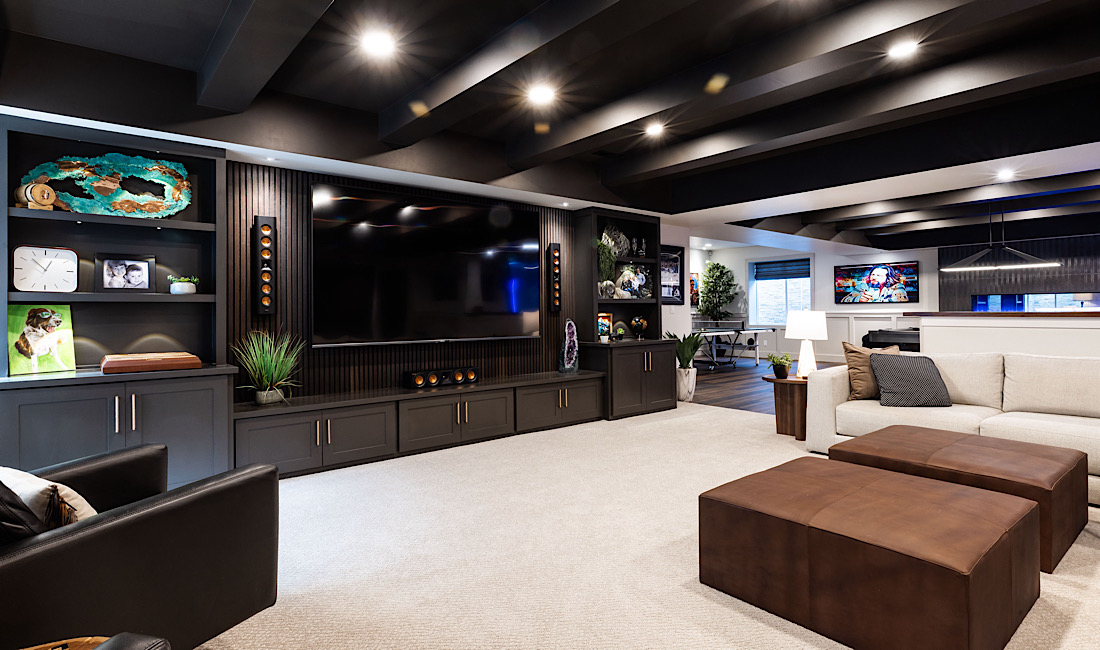


In the pursuit of creating a stylish and inviting home, many homeowners inadvertently commit home design mistakes that cause their spaces to feel dated rather than timeless. These errors, often subtle and unintentional, can quickly undermine the aesthetic appeal and vibrancy of an interior. Recognizing and avoiding such pitfalls is essential for cultivating a home environment that feels fresh, contemporary, and full of life.
Understanding these common but impactful missteps will empower you to make informed decisions that enhance your living space rather than detract from it. Below, we explore the most prevalent home design mistakes that age your space and offer insight into how to circumvent them with elegance and foresight.
Overuse of Trendy Materials and Finishes
One of the most frequent home design mistakes that date interiors is the overreliance on ultra-trendy materials or finishes. While jumping on current bandwagons like glossy lacquer, excessive mirrored surfaces, or overly ornate wallpaper might seem appealing at first, these choices often age poorly. Their fleeting popularity can render a room obsolete within just a few years.
Instead, opt for classic textures like natural wood, matte finishes, or subtle, tactile fabrics. These materials age gracefully and provide a rich foundation for layering in more ephemeral accent pieces.
Cluttering Spaces with Excessive Furniture
Filling a room to the brim with furniture and décor may seem like a way to create a cozy atmosphere, but it frequently results in a cramped and outdated feel. One of the lesser-discussed home design mistakes is overcrowding, which stifles the room’s flow and makes it feel smaller and less inviting.
Embrace the power of negative space. Leaving breathing room allows furniture and decorations to stand out and brings an air of sophistication. Prioritize pieces that serve a purpose and complement each other, rather than amassing a collection of mismatched items.
Neglecting Lighting Layers
Proper lighting is an invisible art that significantly affects how a space is perceived. Relying solely on overhead lighting or a single source of illumination is a common home design mistake that can prematurely age a room by making it look flat, dull, and uninviting.
Incorporate a layered lighting scheme that includes ambient, task, and accent lighting. Stylish floor lamps, dimmable fixtures, and strategically placed sconces create warmth and dimension. Lighting should be adaptable to different moods and functional needs, avoiding the harsh glare that ages a space.
Clinging to Outdated Color Palettes
Color profoundly influences the emotional and aesthetic quality of a room. Sticking with color schemes that were once fashionable but now feel obsolete is a prevalent home design mistake. Colors such as avocado green, mustard yellow, or certain pastel hues from past decades can anchor a room firmly in the past.
Opt for timeless neutrals with bursts of vibrant or muted accent colors that reflect your personality but are also easy to update. Shades like soft greige, warm taupe, and deep charcoal provide an elegant backdrop that transcends trends.
Ignoring Scale and Proportion
Selecting furniture and décor that do not suit the scale of a room is a subtle yet impactful home design mistake. Oversized furnishings in a modest space overwhelm, while tiny pieces in a large room feel lost and disjointed.
Paying attention to scale ensures visual harmony. For example, a statement sofa should complement the size of the room, while art and accessories should be sized to match surrounding elements. Proper proportion fosters balance and elevates the entire design.
Overlooking Architectural Features
Every home has unique architectural elements—be it crown moldings, exposed beams, or built-in niches—that contribute character and charm. A major home design mistake is ignoring these features or covering them up rather than integrating them into the design.
Highlighting architectural details adds depth and narrative to your space. Consider painting moldings in a complementary color, adding subtle lighting to showcase beams, or incorporating built-ins as functional and aesthetic focal points.
Excessive Use of Matchy-Matchy Décor
Matching every piece of furniture and décor perfectly can create a sterile, dated look reminiscent of showroom setups rather than lived-in elegance. This uniformity is a frequent home design mistake that drains personality from a room.
Instead, embrace curated eclecticism by mixing finishes, styles, and textures thoughtfully. Combining vintage finds with modern staples or pairing different metals and fabrics adds intrigue and timelessness.
Ignoring the Impact of Window Treatments
Heavy drapes or overly ornate curtains, often seen in older homes, can weigh down a room and make it feel antiquated. Neglecting window treatments altogether can also age a space by leaving it feeling incomplete and harsh.
Opt for light, flowing fabrics or sleek shades that enhance natural light and maintain a clean silhouette. This approach balances function with modern aesthetic, allowing the space to feel airy and updated.
Overaccessorizing with Dated Patterns
A profusion of busy patterns—especially florals, paisleys, or intricate geometric designs—can date a room quickly. This is a classic home design mistake that overwhelms the senses and anchors the décor firmly in another era.
Instead, use patterns sparingly and with intention. Modern pattern usage tends toward subtlety and scale variation. A single patterned rug, a few throw pillows, or one accent wall with graphic wallpaper can inject personality without overwhelming.
Relying on Outmoded Flooring
Flooring is the literal foundation of your space and can quickly betray the age of a room if it feels outmoded. Carpet with thick, dense piles or laminate with unnatural wood grain prints are examples of flooring choices that commit home design mistakes in terms of longevity and style.
Consider timeless materials such as hardwood, polished concrete, or large-format porcelain tiles. Rugs can then be layered on top for warmth and flexibility, offering a chance to update the look easily.
Avoiding these home design mistakes is crucial for maintaining a space that feels vibrant, welcoming, and timeless. By steering clear of transient trends, over-cluttering, poor lighting, and mismatched scale, homeowners can preserve the freshness and appeal of their interiors for years to come.
Careful attention to materials, color, architectural details, and accessories ensures that your home exudes elegance without becoming a relic of a bygone era. Thoughtful design choices allow your living space to age gracefully—like fine wine—rather than prematurely losing its luster.
More Stories
Dreamy Home Design on Any Budget
Boho Home Design That Feels Fresh
Home Design Ideas to Steal Right Now