

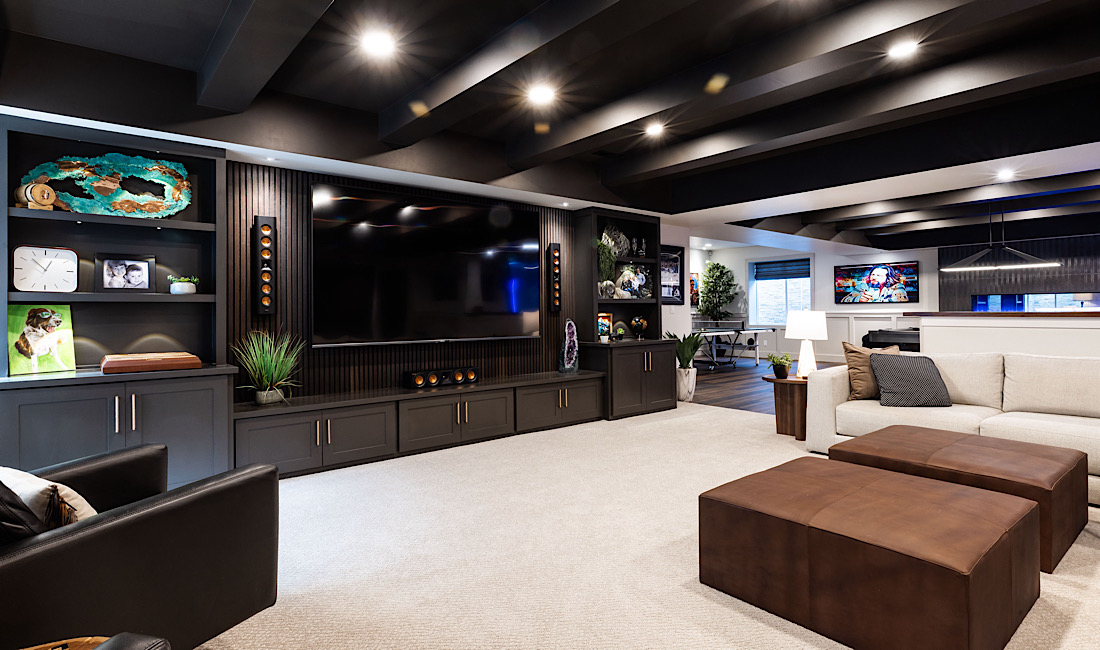


Lighting has the uncanny power to make or break a space. It’s more than just function—it’s atmosphere, personality, and drama all rolled into one. Done right, home design lighting transforms ordinary interiors into extraordinary experiences. Whether you’re revamping a single room or curating your dream home from the ground up, lighting is the secret ingredient that makes everything else shine—literally and figuratively.
Think in Layers
One of the golden principles of exceptional home design lighting is layering. A single overhead fixture is rarely enough to fully illuminate a space or provide visual interest. Instead, think of your lighting like a symphony with three key parts:
- Ambient lighting: the main source of light (usually ceiling-mounted fixtures or recessed lighting).
- Task lighting: lights with a functional purpose, like reading lamps or under-cabinet kitchen lights.
- Accent lighting: the finishing touch—spotlights on art, LED strips under shelves, or picture lights over frames.
Each layer serves a purpose. Combined, they create a warm, inviting, and dynamic atmosphere that adapts to every need.
Don’t Fear Statement Fixtures
Gone are the days when lighting was purely utilitarian. Today’s fixtures are sculptural works of art that demand attention. Whether it’s a cascading chandelier over the dining table or a cluster of glass pendants above the kitchen island, a bold light fixture is a fantastic way to express style and elevate a room.
Oversized lights in small spaces? Absolutely. A grand pendant in a cozy nook? Delightful. Lighting design is a chance to break symmetry, introduce contrast, or play with scale. Let your lights be the jewelry of your space.
Embrace Natural Light—Then Boost It
Natural light is the most flattering, mood-enhancing form of illumination available. Large windows, skylights, or glass doors are foundational in any great home design lighting plan. But sometimes, daylight needs a little support.
To amplify natural light, consider strategically placed mirrors that bounce rays around a room. Use light, reflective surfaces—think glossy tiles, satin finishes, and metallics—to magnify brightness. And when the sun sets, opt for bulbs that mimic natural daylight to maintain that energizing feel well into the evening.
Use Dimmers as Your Secret Weapon
The ability to dial up or tone down your lighting gives you full control over your environment. A dinner party calls for soft, romantic lighting. Morning routines need clarity and brightness. Dimmers offer this kind of versatility, and they’re surprisingly easy to install.
Installing dimmer switches across main living areas is one of the smartest moves in lighting design. It allows you to set the mood, reduce energy consumption, and extend bulb life—all while enjoying a touch of luxury.
Highlight What Matters
Accent lighting is where your personality really shines through. Have a beautiful piece of art? Install a directional spotlight to give it gallery-worthy presence. Floating shelves with curated décor? Add LED strips beneath or behind them for a soft halo glow. A textured wall? Wash it with uplighting to bring out its depth and character.
These subtle choices infuse rooms with warmth and elegance, making spaces feel intentional and artfully styled.
Match the Temperature to the Mood
Light temperature, measured in Kelvins, dramatically affects a room’s vibe. Warm light (2700K–3000K) is cozy and intimate—perfect for living rooms and bedrooms. Cool light (4000K–5000K) is crisp and energizing, ideal for kitchens, bathrooms, and workspaces.
Choosing the right temperature for your home design lighting creates harmony across your home. Mixing color temperatures in a single room can feel disjointed, while coordinated tones offer visual cohesion and a seamless flow.
Go Smart with Your Lighting
Smart bulbs and systems have revolutionized the way homes are lit. With a few taps on your phone—or even a voice command—you can adjust brightness, change color, or set automated schedules. It’s not just convenient—it’s empowering.
Program warm light for winding down in the evening. Set bright, cool tones to greet you in the morning. Use motion sensors for hallways or staircases. Smart lighting makes your home more responsive, adaptive, and just plain fun.
Scale with Intention
One common misstep in home design lighting is using fixtures that are too small—or too large—for a space. Scale matters. A tiny pendant over a massive dining table looks lost, while an enormous chandelier in a low-ceilinged foyer can feel overwhelming.
Measure the room, the furniture, and ceiling height before selecting a fixture. As a general rule, add the room’s length and width in feet, convert the total to inches, and that number is the ideal diameter for a central light fixture.
Create Contrast with Shade and Shadow
Good lighting isn’t just about brightness—it’s about contrast. The interplay between light and shadow adds depth and dimension. Uplights can cast striking silhouettes. Wall sconces can carve out soft pools of illumination. Even a floor lamp angled against a textured wall creates interesting visual moments.
Intentional contrast makes spaces feel layered, cozy, and alive. It keeps your eye moving and your curiosity piqued.
Let Lighting Guide Movement
Lighting isn’t just aesthetic—it’s also functional navigation. Pathway lighting, step lights, and recessed floor lights help guide movement throughout the home. In open-concept spaces, different lighting styles can subtly delineate zones: pendants over the kitchen island, a flush mount in the dining area, and a floor lamp in the reading nook.
When used cleverly, lighting shapes not just the look of your home but the way it’s experienced.
Illuminate With Purpose
Every room tells a story. Lighting is the narrator that brings it to life. With a thoughtful blend of functionality, style, and mood, your lighting can set the tone for every moment—whether it’s morning coffee or a midnight read.
So be bold. Be bright. Or be beautifully dim. Just don’t underestimate the transformative power of masterfully designed home design lighting.
More Stories
Dreamy Home Design on Any Budget
Boho Home Design That Feels Fresh
Home Design Ideas to Steal Right Now