

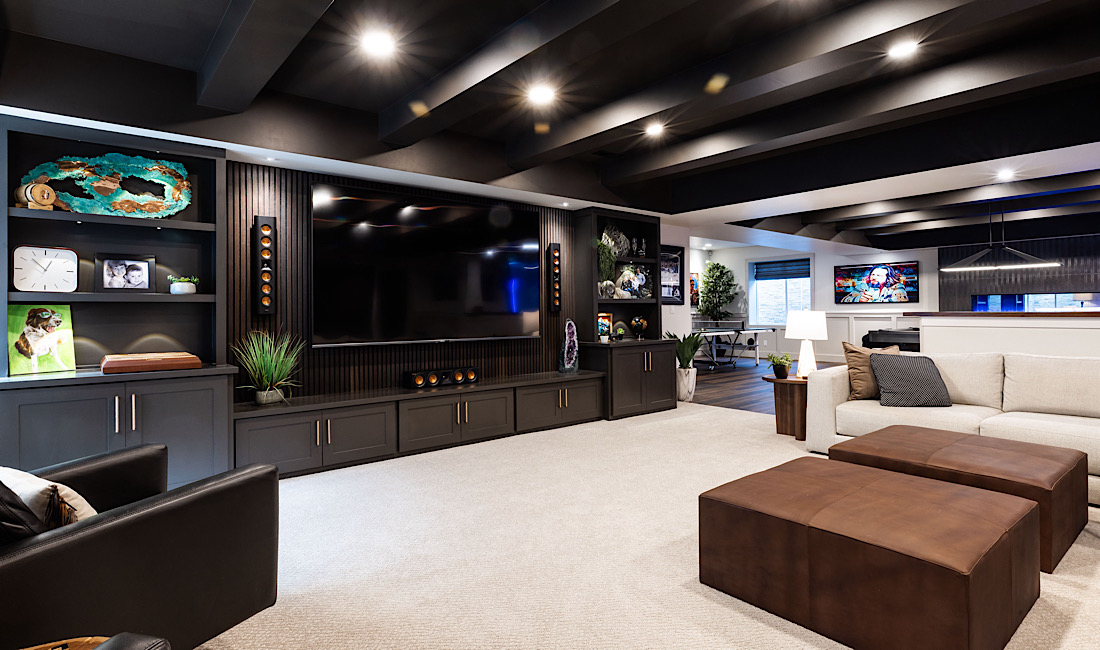


Creating a beautifully styled home is as much about what you exclude as what you include. While inspiration abounds—from social media to interior design magazines—the process of transforming a living space into a cohesive, comfortable sanctuary requires strategic choices. Unfortunately, even the most well-intentioned efforts can go awry. Recognizing common home decoration mistakes is essential for curating interiors that are balanced, inviting, and timeless.
1. Ignoring Scale and Proportion
One of the most frequent—and visually jarring—home decoration mistakes is neglecting scale. A tiny rug under an oversized sectional, or a massive chandelier dwarfing a modest dining table, instantly disrupts spatial harmony.
Every piece should complement the dimensions of the room and its furnishings. Large rooms can accommodate bold, oversized pieces, while smaller spaces demand compact, functional decor that doesn’t overwhelm. Take time to measure and map out how furniture and accessories will interact before purchasing.
2. Overcrowding the Space
Minimalism isn’t just a design trend—it’s a principle that ensures visual and physical breathing room. Overdecorating with too many furnishings, accessories, or competing focal points can make a space feel chaotic.
This is one of the most overlooked home decoration mistakes. The desire to fill every corner or display every keepsake often leads to sensory overload. Instead, embrace negative space. It allows key pieces to shine and creates a sense of order and tranquility.
3. Following Trends Too Closely
Trends are fleeting by nature. While they can provide inspiration, designing a home based solely on current fads can result in a space that feels dated within a year or two.
The key is balance. Introduce trendy elements through smaller, easily replaceable accents—like cushions, throws, or artwork—while grounding your space with timeless staples. One of the subtler home decoration mistakes is prioritizing novelty over longevity.
4. Poor Lighting Choices
Lighting is the unsung hero of great design. Yet, many homes rely solely on overhead lighting, resulting in flat, uninviting spaces. Failing to layer lighting is a common yet critical oversight.
Avoid this by incorporating ambient, task, and accent lighting. Think floor lamps for corners, sconces to frame mirrors, or pendant lights to create intimate dining nooks. Good lighting not only enhances mood but elevates every other design element in the room.
5. Disregarding Color Psychology
Color shapes how a space feels. Choosing colors based solely on personal preference—without considering their psychological effects—can create unintended moods.
For instance, deep reds in a bedroom may feel overly stimulating, while cool blues in a dining room might dampen appetite and conversation. One of the subtler home decoration mistakes is failing to align color choices with the function and emotion of a room.
Stick with a cohesive palette throughout the home to maintain flow, but don’t be afraid to use accent colors purposefully to evoke the right feeling in each space.
6. Misplaced Artwork
Artwork can elevate a room—but only when placed with intention. Hanging art too high, too low, or on walls that don’t suit it is one of the easiest home decoration mistakes to make.
As a general rule, artwork should be hung at eye level—typically 57 to 60 inches from the floor to the center of the piece. In groupings, keep spacing consistent and relate the layout to surrounding furniture. Art should connect visually to the room’s elements, not feel as though it’s floating aimlessly.
7. Forgetting Function for the Sake of Style
Style should never come at the expense of livability. Choosing a visually stunning sofa that’s uncomfortable or a stylish table that lacks practicality may result in regrets.
One of the most preventable home decoration mistakes is selecting pieces that don’t serve the room’s purpose. Always ask: Is this piece functional? Will it withstand daily use? Does it improve the way the room works for those who use it?
Marrying form and function is the cornerstone of intelligent decorating.
8. Lack of Personalization
Designing solely for aesthetics can leave a home feeling like a showroom—visually appealing but devoid of warmth. Omitting personal touches is a surprisingly common error.
Inject personality through travel finds, family heirlooms, handpicked art, or books that reflect your interests. Avoiding this particular mistake means ensuring your space doesn’t just look good—it feels lived-in and authentically yours.
9. Inconsistent Style Across Rooms
Each room doesn’t need to match, but a total disconnect between spaces creates jarring transitions. A sleek, modern kitchen next to a heavily traditional living room can feel disjointed without some design thread tying them together.
One of the more nuanced home decoration mistakes is failing to create visual flow. Use a unifying color scheme, materials, or design motifs to guide transitions from one room to the next.
10. Skipping the Finishing Touches
Finally, many spaces fall short because they stop at the basics. Furniture, lighting, and paint are only part of the equation. Finishing touches—decorative pillows, curtains, books, plants, candles—add soul and completeness.
Neglecting these details can make a room feel sterile or unfinished. These subtle additions help transform a house into a home and bring cohesion to your design vision.
Avoiding these common home decoration mistakes doesn’t require a professional background in design—just thoughtful consideration and a clear vision. By being deliberate in your choices, focusing on balance, and embracing both style and practicality, you can cultivate spaces that are not only beautiful but meaningful and enduring.
More Stories
Timeless Home Decorations That Never Fail
Colorful Home Decorations for Bold Style
Simple Home Decorations for Cozy Vibes