

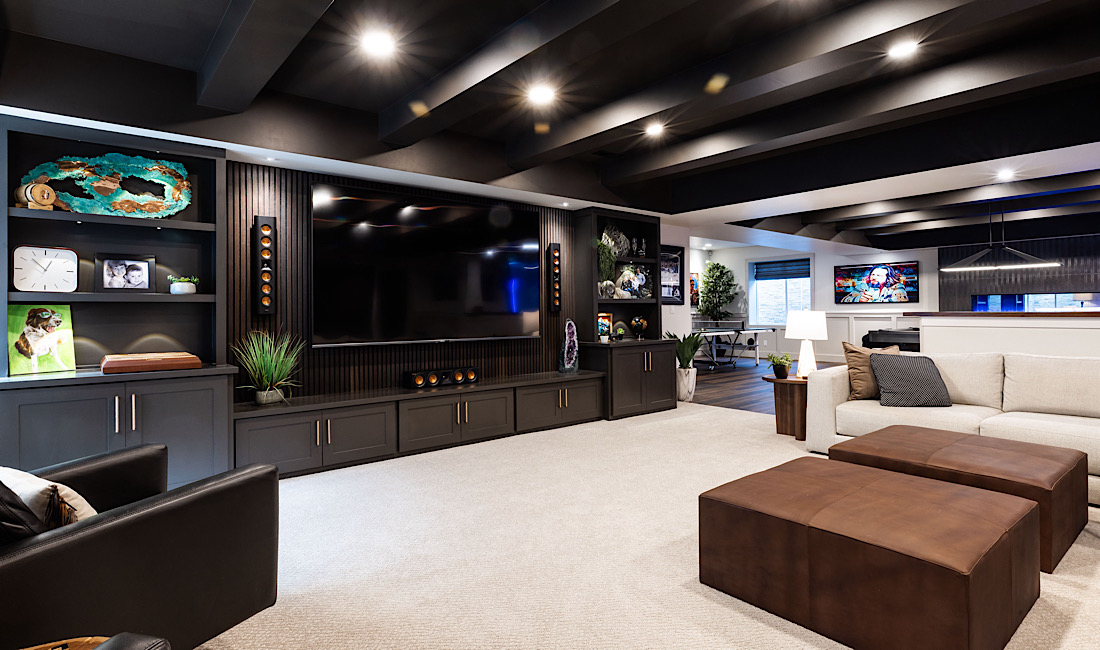


Creating an energy efficient home doesn’t have to involve massive renovations or futuristic gadgets. In fact, small, intentional upgrades can lead to major savings—both for your wallet and the planet. With just a bit of planning and creativity, any space can become smarter, more sustainable, and stylishly efficient.
Start with a Home Energy Audit
Before diving into upgrades, pinpoint where your home is losing energy. A professional home energy audit can reveal hidden inefficiencies like drafty windows, poor insulation, or aging appliances. This roadmap helps prioritize changes that deliver the most impact.
Don’t want to bring in an expert? DIY audit kits are available at most hardware stores, offering a cost-effective way to kick-start your journey to a more energy efficient home.
Seal the Leaks and Insulate
Air leaks are sneaky culprits of energy waste. Gaps around windows, doors, vents, and even electrical outlets can let in drafts and push your HVAC system into overdrive. Weather stripping, caulk, and foam sealant are inexpensive solutions that make a huge difference.
Next, assess insulation—especially in attics, basements, and crawl spaces. Proper insulation helps maintain a stable indoor temperature, meaning your heater and air conditioner work less. That’s the foundation of an energy efficient home: controlled airflow and climate.
Upgrade to Energy-Efficient Windows
Old, single-pane windows are notorious energy guzzlers. Replacing them with double- or triple-pane windows with low-E coatings reduces heat transfer and blocks UV rays. Not only do they help regulate indoor temperatures, but they also reduce outside noise and add property value.
Can’t replace the windows just yet? Consider window film, thermal curtains, or cellular shades as interim solutions.
Switch to LED Lighting
Lighting is one of the easiest, fastest ways to improve efficiency. Swap out incandescent and CFL bulbs for LEDs, which use up to 80% less energy and last significantly longer.
Even better? Smart LED bulbs allow you to schedule lighting, dim brightness, or control usage from your phone—reducing unnecessary energy drain while adding convenience and ambiance.
Embrace Smart Thermostats
Heating and cooling typically make up the bulk of a home’s energy bill. A smart thermostat learns your routine and adjusts temperatures automatically, so you’re not cooling an empty house or cranking up the heat unnecessarily.
These clever devices can also be controlled remotely and provide data on your usage patterns, empowering you to make more informed choices. It’s an effortless step toward an energy efficient home with a futuristic flair.
Energy-Efficient Appliances Matter
Old appliances may still work, but they’re often inefficient energy hogs. Look for ENERGY STAR® certified models when it’s time to upgrade your fridge, dishwasher, washer, or dryer.
These models are designed to consume less power and water while still delivering top performance. Over time, the savings on utility bills make up for the higher upfront cost—and your home becomes smarter and greener in the process.
Be Water Wise
Energy efficiency isn’t just about electricity—it’s also about water. Install low-flow showerheads, aerated faucets, and dual-flush toilets to reduce water consumption without compromising comfort.
Water heaters, too, play a major role. Switching to a tankless or energy-efficient model ensures you’re not constantly heating unused water. These upgrades contribute to a fully energy efficient home, one drop at a time.
Solar Power: Long-Term Efficiency
If you’re ready for a more ambitious step, consider solar panels. They can drastically reduce or even eliminate your reliance on grid electricity, especially in sunny climates. Incentives and tax credits in many regions make solar installation more affordable than ever.
While it requires a bigger investment upfront, solar energy is one of the most rewarding ways to commit to an energy efficient home for the long haul.
Be Mindful of Phantom Loads
Even when not in use, plugged-in electronics draw small amounts of power—known as phantom or vampire energy. Televisions, microwaves, phone chargers, and gaming consoles all contribute to this silent drain.
Use smart power strips or unplug devices when not in use. It’s a tiny habit that brings tangible savings and boosts your home’s overall energy consciousness.
Decorate with Purpose
Believe it or not, your interior design choices can influence efficiency. Place rugs on hardwood floors to help insulate. Arrange furniture so it doesn’t block vents or radiators. Choose light-colored curtains that reflect sunlight in the summer and heavy drapes that insulate in the winter.
Style meets sustainability when décor decisions support a more energy efficient home without sacrificing aesthetic appeal.
Cultivate Energy-Saving Habits
Technology is powerful, but behavior matters too. Get in the habit of turning off lights when leaving a room. Run full loads of laundry and dishes. Open windows for natural ventilation when the weather allows.
These small changes, repeated daily, create a culture of energy mindfulness that becomes second nature over time.
Final Thought
Living in an energy efficient home isn’t just about reducing your bills—it’s about embracing a lifestyle that values resourcefulness, comfort, and long-term impact. With a mix of smart upgrades, thoughtful habits, and modern tech, your home can become a beacon of sustainability that works just as hard as you do.
More Stories
Creative Lighting Ideas for Rooms
Add Style with Minimal Effort
Secrets to a Stunning Bathroom Remodel