

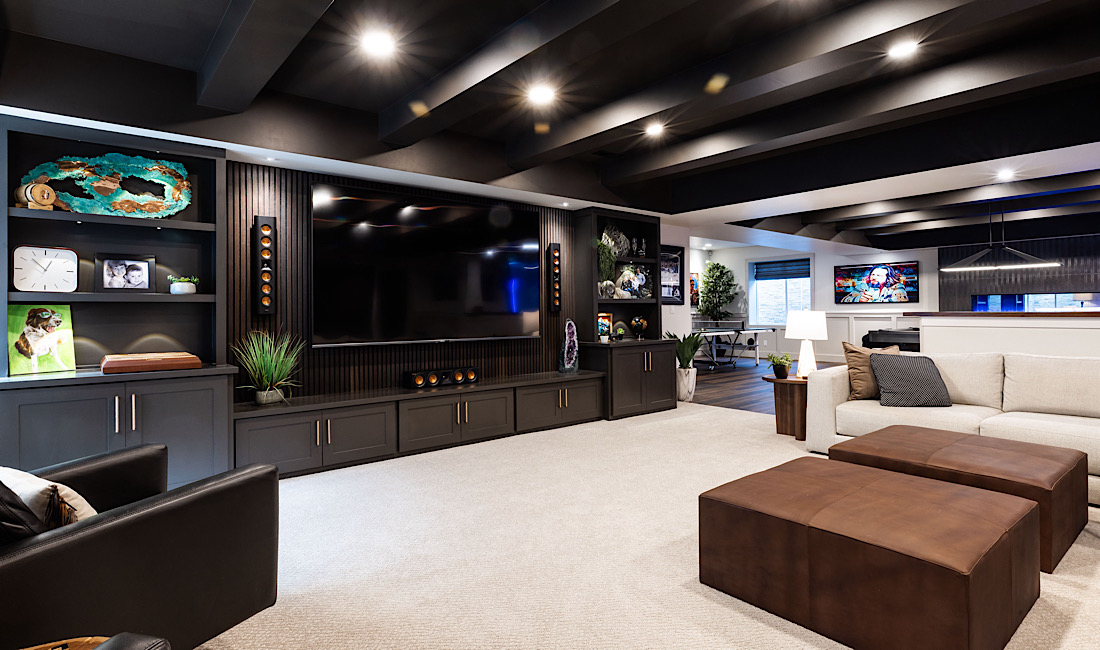


In the ever-evolving world of interiors, some aesthetics transcend trendiness and become indispensable elements of a well-lived home. While fads may come and go, certain home design trends carry long-term value—blending innovation, comfort, and elevated style. Overlooking them may not just be a missed opportunity but a design misstep you’ll wish you hadn’t made.
These aren’t about chasing hype—they’re about staying ahead of the curve with timeless intention.
1. Sustainable and Eco-Conscious Materials
Sustainability is no longer a niche consideration; it’s foundational. Incorporating natural materials like reclaimed wood, bamboo, cork, organic cotton, and stone offers not just aesthetic richness but long-term durability.
Modern homeowners are gravitating toward finishes and furnishings that prioritize environmental responsibility. Expect to see more non-toxic paints, recycled glass countertops, and sustainably harvested hardwoods in forward-thinking homes. Ignoring this wave of home design trends means missing the chance to align beauty with ethical integrity.
2. Warm, Earthy Color Palettes
Gone are the days of stark whites and greys dominating interiors. A noticeable shift toward earthy tones—think terracotta, sage green, ochre, and clay—has brought depth, comfort, and warmth back into modern design.
These colors evoke nature and encourage a more grounded atmosphere. They soften minimalism, complement natural textures, and transition effortlessly between seasons. Overlooking these hues is one of the most understated missteps in embracing evolving home design trends.
3. Statement Ceilings and Fifth Wall Treatments
The ceiling, often an afterthought, is reclaiming its place as a design feature. From painted ceilings to textured wallpapers and exposed beams, this so-called “fifth wall” is becoming a canvas for expression.
Dramatic chandeliers, geometric moldings, or even hand-painted motifs can draw the eye upward, adding a vertical layer of intrigue. Failing to embrace this upward momentum leaves a crucial dimension of your home underutilized.
4. Curved Silhouettes and Organic Shapes
Rectilinear furniture and sharp angles are giving way to soft curves, rounded forms, and fluid lines. Sofas with crescent backs, arched doorways, and elliptical coffee tables are all emblematic of this tactile trend.
These organic shapes create visual flow and add a sense of comfort and grace. Avoiding these fresh silhouettes risks clinging to rigidity, when fluidity is clearly gaining favor in modern home design trends.
5. Multipurpose and Flexible Spaces
The way we live in our homes has dramatically shifted. The demand for spaces that can flex between functions—like work, relaxation, fitness, and hosting—has surged.
Sliding partitions, foldaway desks, murphy beds, and modular seating all reflect this emphasis on adaptability. Ignoring this trend can leave a home ill-prepared for modern lifestyles, where versatility is no longer optional but expected.
6. Biophilic Design Elements
Biophilic design is more than adding a few potted plants—it’s about fostering an intentional connection to nature. Incorporating living walls, indoor water features, raw stone textures, and expansive windows helps nurture well-being and tranquility.
Natural light, airflow, and greenery are known to enhance mental clarity and reduce stress. These elements are not just visually impactful; they’re restorative. Neglecting biophilic principles is turning a blind eye to one of the most wellness-forward home design trends of the decade.
7. Vintage and Upcycled Accents
In contrast to the sterile perfection of showroom interiors, today’s homes are embracing patina, history, and character. Vintage and upcycled décor is making a significant comeback—not only for its sustainability but for its soul.
Mixing old with new creates depth and tells a story. A distressed sideboard next to a sleek sofa. An antique mirror above a modern vanity. These juxtapositions infuse life into a space. Ignoring this resurgence in favor of mass-produced uniformity is a missed chance to create meaningful design.
8. Bold Pattern Play
Subtlety is taking a backseat in favor of expressive, layered patterning. From maximalist wallpaper to clashing textiles and floor-to-ceiling murals, bold pattern integration is having a moment.
This isn’t about chaotic visuals—it’s about curated complexity. Combining florals with geometrics, or stripes with botanical prints, can create dynamic energy. Bypassing this playful wave of home design trends can leave your interiors flat and forgettable.
9. Hidden Technology Integration
Homes are becoming smarter, but without shouting about it. The trend is toward seamless integration—concealed outlets, wireless charging stations, built-in speakers, and smart lighting systems that operate on voice command.
This design-forward approach to tech ensures convenience doesn’t interrupt aesthetic cohesion. Ignoring this can result in a home that feels outdated quickly, especially as digital living becomes the standard.
10. Personalized, Lived-In Aesthetic
Perhaps the most significant shift is the move away from perfection and toward authenticity. Cookie-cutter interiors are losing ground to spaces that reflect individuality.
Mix-and-match dining chairs, eclectic art, books on display, and sentimental objects scattered with purpose—this is what modern homes are leaning into. Skipping this deeply personal wave of home design trends means settling for sterile instead of soulful.
The most enduring home design trends are those rooted in comfort, sustainability, authenticity, and flexibility. They reflect not just what’s stylish but what’s essential to how people live today. Ignoring these trends may not show immediately—but as interiors evolve, and the demand for purposeful, beautiful living spaces continues to grow, the absence of these choices will become unmistakably clear.
Design with foresight, and the present will thank you—so will the future.
More Stories
Dreamy Home Design on Any Budget
Boho Home Design That Feels Fresh
Home Design Ideas to Steal Right Now