

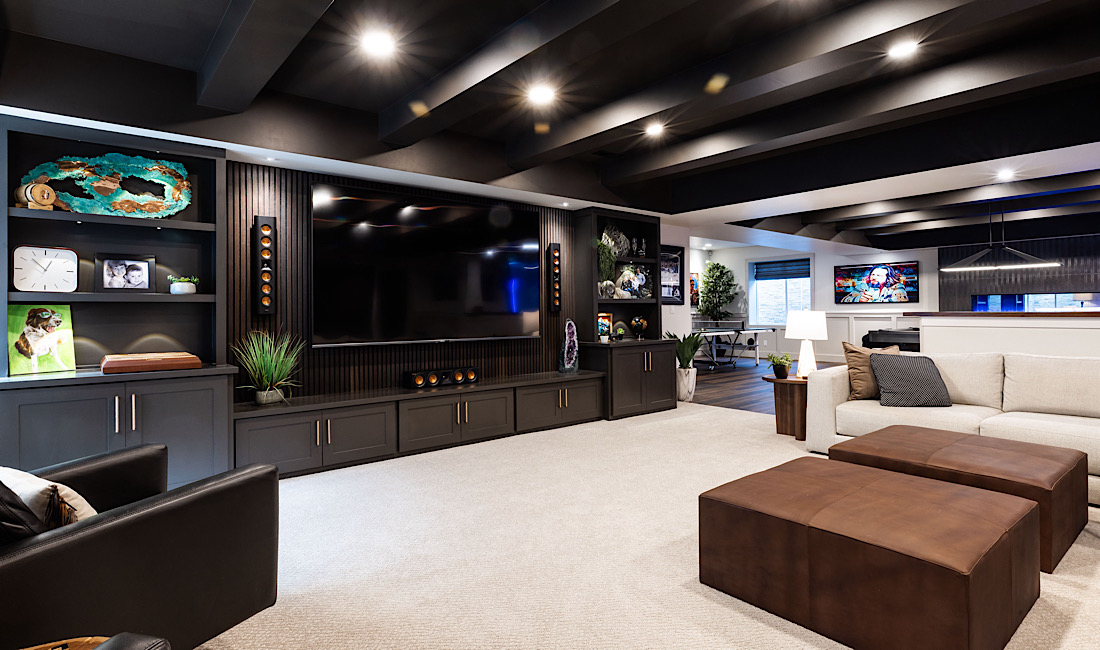


A beautiful home is nothing without a functional flow. No matter how stunning your finishes or trendy your furniture, if your space doesn’t work with your lifestyle, it works against it. That’s where layout comes into play. The right design isn’t just visually appealing—it’s practical, logical, and intuitive. An efficient home layout is like a well-choreographed dance; everything moves in harmony.
Zones that Match Real Life
Gone are the days of rigid room definitions. Today, homes are dynamic. A living room can double as a workspace. Kitchens are social hubs, not just cooking stations. To support this modern rhythm, layouts should be organized into zones that reflect how you actually live.
Start by defining core functions: relaxing, entertaining, cooking, sleeping, working. Then build a layout that allows each zone to thrive. For example, keep sleeping areas separate from social spaces. Tuck a quiet home office near a window with natural light. Place laundry close to the bedrooms—not tucked into the basement like a forgotten chore.
This type of efficient home layout minimizes wasted steps, reduces noise crossover, and just makes daily life smoother.
Open Concept, Thoughtfully Executed
Open floor plans have dominated design for years—and for good reason. They feel spacious, airy, and encourage social interaction. But openness without intention can lead to echoey, undefined spaces that feel more chaotic than calming.
A smarter approach? Create invisible boundaries. Use rugs to anchor the living area, pendant lighting to define the kitchen island, and furniture placement to shape “rooms” without walls.
For even more clarity, consider half walls, glass dividers, or double-sided bookcases. They preserve sightlines and openness while adding structure.
The result is an efficient home layout that breathes but also functions.
Smart Circulation Paths
One of the most overlooked aspects of home design is circulation—the way you move from space to space. Ideally, paths should be clear, direct, and logical. You shouldn’t have to zigzag around furniture just to get to the bathroom or shuffle sideways through the kitchen.
To achieve this, avoid bottlenecks and dead ends. Entryways should offer quick access to main areas. Hallways should lead somewhere useful—not exist just for the sake of tradition.
Bonus tip: Think about “pause points.” These are natural stopping spots like a foyer bench, a kitchen landing space, or a hallway console. They offer convenience without disrupting flow.
Kitchens That Work as Hard as You Do
The heart of the home deserves extra layout love. A great kitchen is more than just pretty cabinets—it’s about purposeful configuration. The classic “kitchen triangle” (sink, stove, refrigerator) still holds merit. But today’s best kitchens also factor in prep zones, trash access, pantry proximity, and seating.
An efficient home layout puts everything within reach. Need to chop veggies? There’s a cutting board drawer next to the sink. Hosting guests? A peninsula separates the chef from the crowd, keeping the chaos contained.
Even small kitchens can shine with clever solutions like pull-out pantries, corner drawers, and multi-functional islands.
Bedrooms with Breathing Room
Your bedroom should feel like a sanctuary, not a storage unit. Think beyond the bed placement. A smart layout includes walking space around all sides, easy access to closets, and natural pathways to the bathroom.
If possible, avoid placing the bed on a shared wall with noisy rooms like the living area or laundry. Opt for symmetry if it soothes you, or a corner layout if you crave a cozy nook. Either way, let calm and comfort be your guide.
And don’t underestimate the value of built-ins. They eliminate the need for clunky furniture and keep visual clutter at bay—key traits in an efficient home layout.
Bathrooms That Flow (Literally and Figuratively)
Bathrooms may be small, but layout missteps can create big frustrations. The sink, toilet, and shower should each have breathing space, without awkward crossovers. Nobody wants to bump into a swinging door mid-toothbrush or twist sideways to reach the towel rack.
One of the most useful tweaks? Pocket or sliding doors. They save precious square footage and streamline access.
For shared baths, consider dual vanities or separate toilet enclosures. This allows multiple users at once without sacrificing privacy—because the only thing worse than a cluttered bath is a queue.
Flexibility Is the Ultimate Luxury
Life changes. Your layout should, too. An ideal design is adaptable—able to evolve as your needs do. That guest room might become a nursery. The den might someday be a yoga studio or remote office.
To future-proof your space, opt for sliding partitions, movable furniture, and multi-use rooms. Bonus rooms or finished basements are great candidates for flex spaces. Even an alcove or wide hallway can be reimagined with the right mindset.
That’s the power of an efficient home layout: it grows with you, not against you.
Maximize Light, Minimize Hassle
Natural light is layout gold. Arrange living spaces to capture morning sun and bedrooms to embrace cooler evening shade. Windows should be positioned to maximize views and cross-ventilation.
But layout isn’t just about what’s inside—it’s about connection to the outdoors. A well-placed patio door or balcony creates seamless indoor-outdoor flow. Even a tiny courtyard off the kitchen can feel like a private oasis.
Incorporating nature boosts not only beauty but functionality and well-being.
When a layout is done right, you don’t think about it—you just live in it. It feels intuitive. Comfortable. Effortless. An efficient home layout balances form with function, beauty with utility, and openness with purpose.
It doesn’t just look good—it lives well. And isn’t that what home should really be about?
More Stories
Dreamy Home Design on Any Budget
Boho Home Design That Feels Fresh
Home Design Ideas to Steal Right Now