

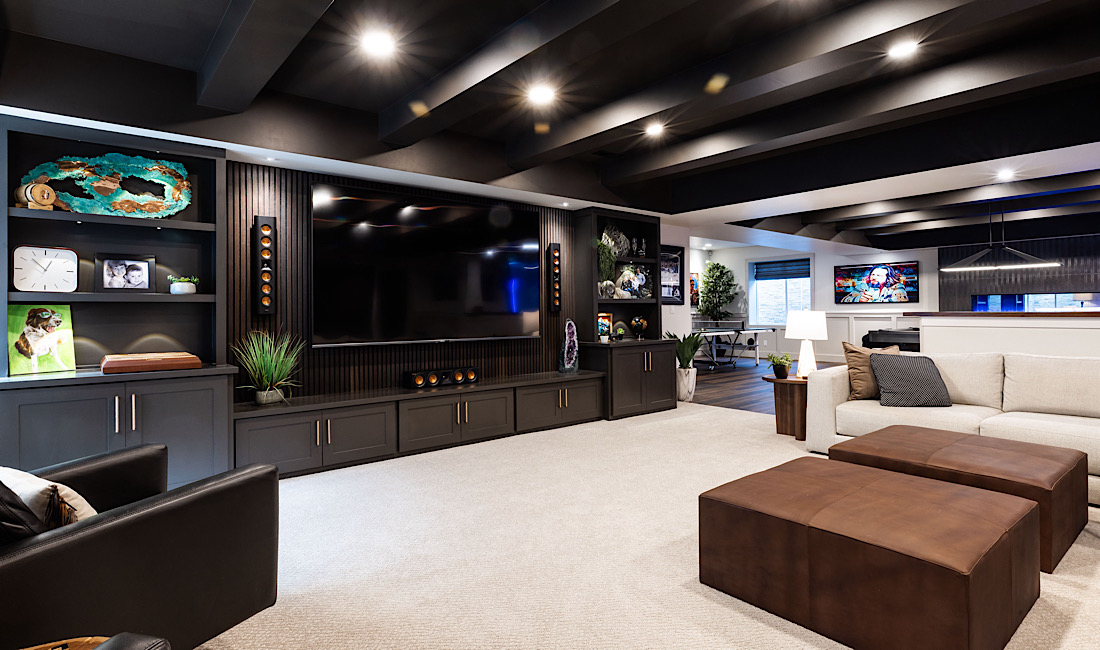


Living in a smaller home doesn’t mean you have to compromise on style, comfort, or functionality. In fact, designing for limited square footage often unlocks creative solutions that transform modest layouts into stunning sanctuaries. With the right approach, small space design becomes less about constraint and more about cleverness.
Maximize Natural Light
One of the easiest ways to make a compact area feel open and airy is by harnessing natural light. Choose sheer curtains, or better yet, opt for none at all if privacy allows. Mirrors, especially large or strategically placed ones, bounce light across the room and visually double the space.
Paint walls in light, neutral shades—think warm whites, cool greys, or pastel hues. These tones reflect light more efficiently and serve as an ideal backdrop for accent pieces without overwhelming the space.
Embrace Multi-Functional Furniture
In a well-executed small space design, every piece of furniture should earn its keep. Look for pieces that serve more than one purpose. A storage ottoman that doubles as a coffee table, a bed with built-in drawers, or a dining table that collapses when not in use can save valuable square footage.
Wall-mounted desks or foldable furniture can be game-changers for small home offices or studios. Prioritize versatility—think extendable dining sets or nesting side tables that can be tucked away with ease.
Go Vertical
When floor space is limited, look up. Vertical storage makes the most of available real estate without cramping the room. Use tall bookshelves, floating wall units, or hanging racks to organize everything from books to kitchen essentials.
In the kitchen or bathroom, tiered shelving and magnetic organizers work wonders. In bedrooms, opt for wardrobes that reach the ceiling. Every unused inch above eye level is an opportunity waiting to be utilized.
Define Zones with Purpose
Creating distinct functional zones in one room is key to making a small space feel organized and cohesive. Use rugs, lighting, and furniture arrangement to subtly delineate areas without adding physical walls.
A plush rug under the sofa can carve out a cozy living zone, while a pendant light above a table can signal the dining area. The beauty of effective small space design lies in invisible borders that create harmony.
Think Minimal, Not Empty
Minimalism doesn’t mean bare. It means intentional. Choose a few standout décor elements that speak volumes without cluttering the room. Whether it’s a bold piece of art, a striking pendant lamp, or a sculptural chair, one impactful item per room often makes a more stylish impression than several smaller ones.
Keep surfaces clear. Store everyday items out of sight using clever storage solutions. It’s not about having less—it’s about showcasing only what truly adds value or beauty.
Use Mirrors and Reflective Surfaces
Mirrors are the unsung heroes of compact interiors. A large mirror placed opposite a window can make a space feel exponentially larger and brighter. Reflective surfaces like glossy tiles, lacquered cabinets, or metallic finishes can have a similar amplifying effect.
Incorporate mirrored furniture sparingly—perhaps a coffee table or sideboard—to reflect light without overwhelming the design scheme.
Smart Storage, Smarter Living
Built-in storage maximizes efficiency and reduces clutter. Consider under-bed drawers, staircases with hidden compartments, or custom cabinetry that fits into unusual corners.
Use baskets, dividers, and boxes inside drawers to maintain order. The key to mastering small space design is keeping everything in its rightful place. Clutter shrinks a room faster than any other factor.
Opt for Lightweight Visuals
Chunky furniture and dark finishes can make small rooms feel even tighter. Instead, choose furniture with slim profiles and visible legs. Glass, acrylic, and light-toned wood help preserve an open visual flow.
Avoid heavy window treatments or dark wall art. Keep lines clean and open, allowing the eye to move freely around the space.
Play with Scale and Proportion
Contrary to popular belief, not everything in a small room has to be small. A single oversized artwork or light fixture can add drama and interest. The trick is balance.
Don’t cram a space with lots of tiny objects—that only makes it feel busy. Mix proportions to create depth. A large mirror over a narrow console, or an oversized headboard in a minimalist bedroom, can add sophistication without crowding.
Greenery Adds Life
Plants breathe life into small homes. From hanging planters to vertical gardens, greenery adds texture, color, and vitality. Choose low-maintenance indoor varieties like pothos, snake plants, or peace lilies.
Plants can also help delineate zones while softening edges and absorbing ambient noise—a bonus in compact living quarters.
Clever small space design transforms limitations into possibilities. With thoughtful planning and a touch of innovation, even the tiniest apartment can become a spacious-feeling, joy-filled haven. Remember, it’s not the size of your space that matters—it’s how brilliantly you make it shine.
More Stories
Dreamy Home Design on Any Budget
Boho Home Design That Feels Fresh
Home Design Ideas to Steal Right Now