

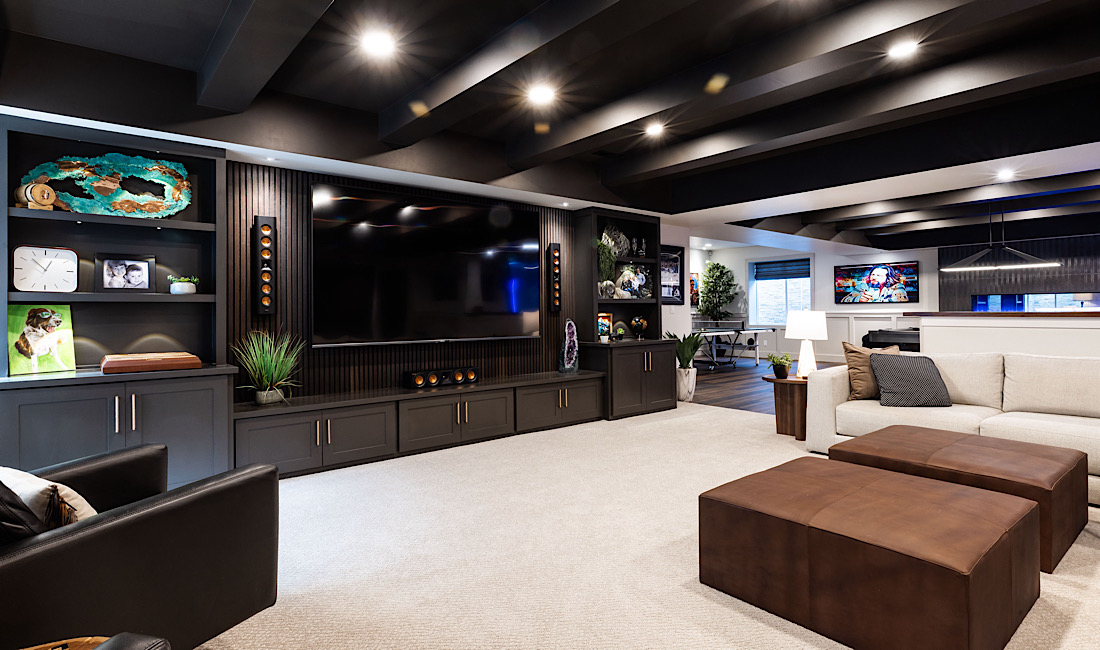


The natural world has long served as a muse for art, architecture, and design. Its textures, colors, and organic forms offer a sense of harmony that man-made elements often struggle to replicate. In home design, embracing nature inspired decorations can create an environment that is both grounding and rejuvenating. It’s a philosophy rooted in biophilia—the innate human connection to the earth—and it’s reshaping how interiors are styled.
Earthy Foundations
At the heart of nature inspired decorations lies a reverence for organic materials. Natural woods, unpolished stone, clay, jute, and linen create a palette that reflects the landscape itself. These textures offer warmth and authenticity. A raw-edged wooden coffee table, a slate tile backsplash, or hand-thrown ceramic vessels each carry the imperfections and character of the elements from which they come.
Choosing finishes that highlight the grain, striation, or fiber of a material enhances the visual and tactile richness of a space. Floors in white oak or walnut, woven sisal rugs, and walls in limewash or clay paint contribute to an interior that feels alive and breathing.
Color, Curated by Nature
Color plays a pivotal role in setting the tone. Neutral backdrops—think sand, stone, and sage—lay a calming foundation, while accents in terracotta, forest green, deep ocean blue, or sunflower yellow draw directly from earth’s own spectrum. The balance between muted and saturated hues mimics natural gradients found in deserts, forests, and coastlines.
Layering these shades thoughtfully through upholstery, wall treatments, or accessories allows for a cohesive yet dynamic aesthetic. Pillows in botanical prints, vases glazed in mossy tones, or artwork depicting verdant landscapes offer nuanced nods to the outdoors.
Botanical Elements Indoors
No approach to nature inspired decorations is complete without living plants. Beyond their aesthetic appeal, plants improve air quality and enhance psychological well-being. From towering fiddle leaf figs to sculptural snake plants or cascading pothos, greenery softens lines, fills negative space, and introduces fluidity to rigid architecture.
Consider the vessels that house your plants—terra cotta pots, woven baskets, or glazed ceramics each evoke a particular landscape. Hanging planters and wall-mounted greenery installations also provide opportunities to integrate foliage vertically, maximizing both impact and floor space.
Dried botanicals like pampas grass, eucalyptus, or preserved ferns offer an earthy alternative to fresh florals and maintain their shape and color over time. Arranged in glass or earthen vases, they bring lasting texture and movement into the room.
Organic Forms and Silhouettes
Nature is rarely symmetrical. Integrating asymmetrical or irregular shapes into décor reflects this truth and adds softness to interiors dominated by straight lines. Choose furnishings with rounded edges, tables with live-edge finishes, and lighting fixtures that mimic natural forms—like branches, shells, or pebbles.
Textiles too can carry the language of nature through subtle patterning. Look for throws and cushions in hand-printed leaf motifs, or linens embroidered with flora and fauna. These pieces become gentle, narrative-driven accents that support a broader nature inspired decorations scheme without overwhelming it.
Stone, Metal, and Fire
Natural elements are not limited to wood and greenery. Incorporating materials like marble, granite, and soapstone introduces an elemental sophistication. A stone countertop, for example, can anchor a kitchen in timeless luxury, while a slate fireplace or pebble-lined bathroom offers textural intrigue.
Metals can also reflect the natural world when chosen thoughtfully. Aged brass, patinated copper, or blackened steel all bring a sense of earthiness and weathered beauty. These materials, especially when left slightly imperfect or oxidized, harmonize beautifully with the organic textures around them.
Fire—whether through a hearth, candles, or lanterns—adds warmth, movement, and primal comfort to interiors. A cluster of beeswax candles or a low, flickering fire pit creates intimacy and echoes nature’s light in its most elemental form.
Sustainable and Handcrafted Accents
True homage to nature also includes respect for it. Choosing sustainable, locally made, or artisan-crafted décor minimizes environmental impact while supporting traditional methods. Handwoven textiles, pottery made from local clay, or reclaimed wood furniture tell a story and connect the home to a broader ecological narrative.
Repurposing vintage or salvaged items, like a rustic barn door turned dining table or antique glass repurposed into lighting, adds uniqueness while honoring materials already in circulation. These personalized, one-of-a-kind touches elevate nature inspired decorations beyond mere imitation into meaningful integration.
Creating Natural Light and Flow
Maximizing natural light is another cornerstone of biophilic design. Sheer window treatments, reflective surfaces, and skylights allow the sun to animate the home throughout the day. Where natural light is limited, ambient lighting in soft, warm tones mimics daylight to preserve a natural rhythm.
Open layouts that encourage movement and air circulation mirror the effortless flow of the outdoors. Incorporating zones that allow for contemplation—such as reading nooks, meditation corners, or window seats—provides space for restorative moments, reinforcing the calming influence of nature indoors.
Homes shaped by nature are more than visually appealing—they are emotionally resonant. They soothe, ground, and inspire. Through careful curation of textures, colors, materials, and light, nature inspired decorations bring the outside in, not as a theme but as a living presence. In every curve of wood grain, every rustle of a potted tree’s leaves, every mineral shimmer on a stone countertop, nature offers its quiet, enduring elegance. And when reflected in our living spaces, it reminds us daily of balance, beauty, and belonging.
More Stories
Timeless Home Decorations That Never Fail
Colorful Home Decorations for Bold Style
Simple Home Decorations for Cozy Vibes