

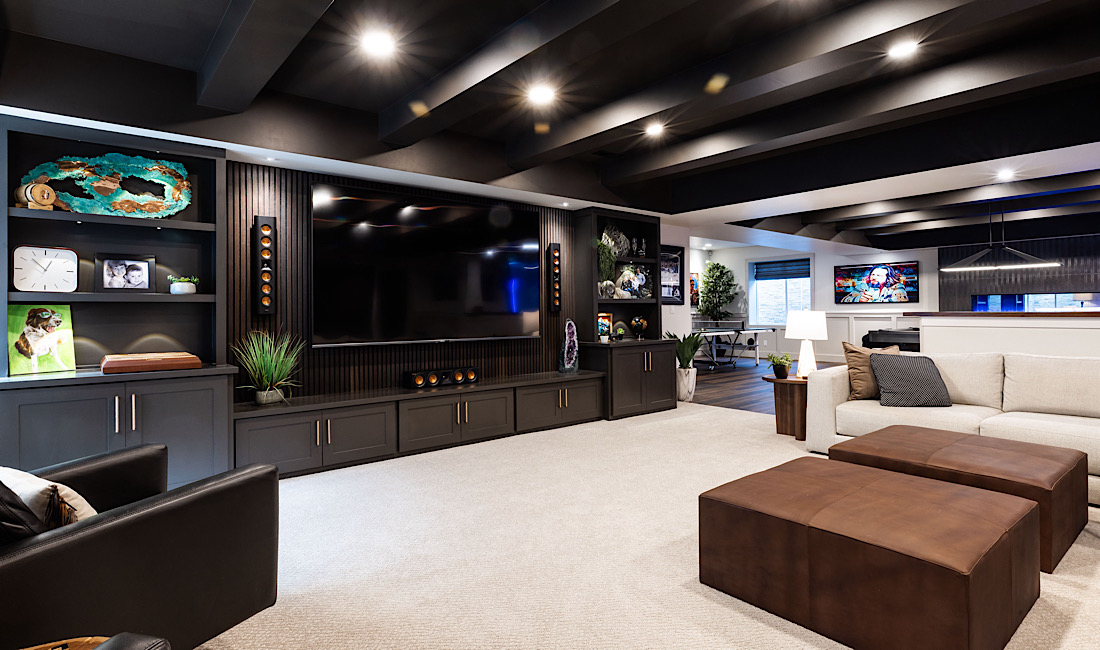


Living in a compact environment presents unique challenges and opportunities. Maximizing every inch without sacrificing style or comfort requires ingenuity and a thoughtful approach. Fortunately, there are numerous small space ideas that elevate functionality while preserving a sense of openness. By embracing clever design principles and innovative solutions, even the most modest dwellings can feel expansive, inviting, and exquisitely personalized.
Rethinking Layouts: Function Meets Flow
The foundation of successful small space living is an optimized layout. Prioritizing flow and multifunctionality transforms cramped quarters into a harmonious retreat. Avoid rigid room divisions in favor of open or semi-open plans that allow spaces to serve multiple purposes seamlessly.
Consider modular furniture that adapts to changing needs—sofas that convert into beds, fold-away desks, or nesting tables that expand as required. Arranging furniture away from walls can create conversational clusters and impart an unexpected sense of depth. Each piece should serve a distinct function while contributing to the overall cohesion of the room.
Vertical Utilization: Elevate Your Storage
When floor space is scarce, verticality becomes your greatest ally. Leveraging wall height to its fullest is a cornerstone of effective small space ideas. Tall shelving units, floating shelves, and overhead cabinets not only free up valuable surface areas but also draw the eye upward, making rooms feel taller.
Innovative storage solutions such as hanging racks for kitchen utensils or pegboards in craft areas keep essentials within reach without cluttering countertops. Lofted beds or elevated platforms reveal under-bed storage or workspaces, doubling utility without expanding footprints. These vertical strategies craft an illusion of spaciousness and order.
Light and Color: The Psychology of Openness
Lighting and color wield remarkable power in shaping spatial perception. A well-lit room appears more expansive and welcoming. Embrace natural light by minimizing heavy draperies; opt instead for sheer fabrics or blinds that diffuse sunlight gently.
Artificial lighting should be layered—ambient lights for general illumination, task lights for reading or cooking, and accent lights to highlight architectural details or artwork. Incorporating mirrors strategically amplifies light and depth, reflecting views and brightening shadowed corners.
Color palettes also influence spatial experience. Soft, muted tones such as pale blues, gentle greys, and warm neutrals create a calm and airy ambiance. Contrasting accents add personality without overwhelming. Consistent color schemes across furniture and walls reduce visual fragmentation, fostering continuity and flow.
Multipurpose Furniture: Adaptability as Art
In small dwellings, furniture must transcend traditional roles. Transformative pieces epitomize the ingenuity behind small space ideas. For instance, a dining table that doubles as a workspace or a storage ottoman that functions as extra seating marries form and function beautifully.
Custom-built furniture tailored to your specific dimensions can integrate storage, seating, and work surfaces into a cohesive whole. Wall-mounted fold-out desks or Murphy beds allow entire rooms to switch roles effortlessly between day and night. These adaptable elements make living in small spaces not only feasible but delightfully efficient.
Hidden Storage: Concealment with Style
Clutter is the nemesis of compact living. Concealing belongings within clever compartments is essential. Under-stair storage, recessed shelves, or built-in cabinets beneath window seats exploit often overlooked niches.
Furniture with hidden compartments, such as beds with drawers or sofas with storage beneath cushions, maintains tidiness without sacrificing comfort. Magnetic strips or hooks inside cabinet doors can corral small items like keys or kitchen tools discreetly.
Integrating these solutions into your décor ensures that your home remains serene, uncluttered, and visually pleasing.
Flexible Partitions: Define Without Closing Off
Dividing spaces without sacrificing openness is crucial. Employing lightweight, movable partitions offers privacy while maintaining airiness. Folding screens, sliding panels, or curtain dividers are excellent for demarcating zones without permanent walls.
These flexible barriers can also add texture and color, serving as decorative elements as well as functional separators. Incorporating translucent materials like frosted glass or woven fibers allows light to pass through, preventing areas from feeling isolated or constricted.
Incorporating Nature: Biophilic Design in Compact Spaces
Introducing plants and natural elements brings vitality and tranquility to small interiors. Vertical gardens, hanging planters, or small potted plants placed on shelves or windowsills contribute greenery without consuming precious floor space.
Natural materials—wood, stone, and woven fibers—add warmth and tactile interest. The integration of biophilic design enhances mental well-being and connects inhabitants with the outdoors, counteracting any claustrophobic tendencies.
Smart Technology: Seamless Living
Technology enhances convenience and efficiency, which are invaluable in tight quarters. Smart lighting systems that adjust brightness and color temperature create customizable atmospheres. Voice-activated assistants manage appliances and entertainment, reducing the need for physical controls.
Wireless charging stations, compact sound systems, and multi-functional gadgets streamline daily routines. Integrating these technologies unobtrusively contributes to a clutter-free, modern environment that complements small space ideas.
Personalized Decor: Maximizing Character
Even small spaces benefit from personality and charm. Selecting statement art, textiles, and accessories that reflect your style imbues warmth and individuality. However, restraint is key—opt for carefully curated pieces that enhance without overcrowding.
Consider incorporating mirrors with decorative frames or layering rugs for texture. Bookshelves with curated collections or display niches for cherished objects transform living areas into curated galleries.
More Stories
Creative Lighting Ideas for Rooms
Add Style with Minimal Effort
Secrets to a Stunning Bathroom Remodel