

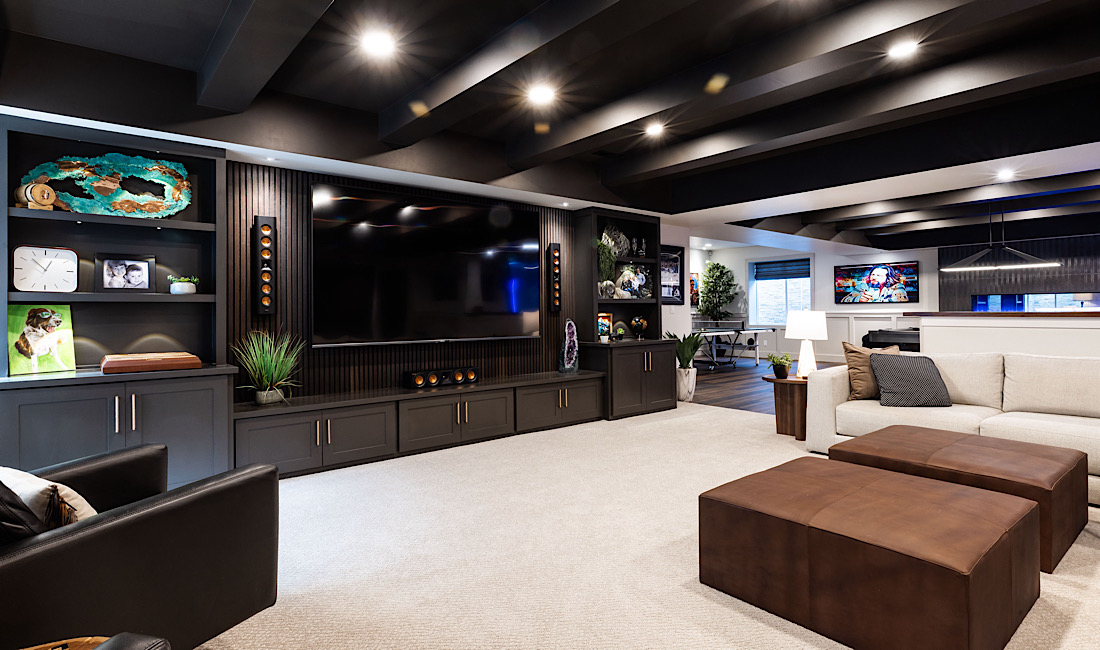


When it comes to elevating the look, feel, and value of a home, few know the magic formula better than real estate professionals. These industry insiders understand not only what sells, but why it sells. The little touches they recommend can create powerful emotional connections that turn a casual walk-through into a firm offer.
Let’s delve into some of the most effective home design tricks straight from seasoned pros. These techniques don’t just dress up a space—they strategically transform it. Whether staging a home for sale or simply creating a more elevated everyday atmosphere, these insights deliver measurable impact.
Maximize Light, Then Reflect It
One of the most coveted home features is natural light. But you don’t have to add windows or knock down walls to get it. Real estate experts swear by the use of light-enhancing materials and strategic décor.
Sheer window treatments, high-gloss paint finishes, and glass or mirrored furniture can bounce light around and make a space feel open and airy. Thoughtfully placed mirrors—especially opposite windows—double the brightness and create the illusion of depth. This is a hallmark of smart real estate design: manipulate perception to maximize value.
Furniture Placement with Purpose
Too much furniture makes a home feel cramped. Too little makes it feel cold. The trick lies in arrangement. Create clear pathways and functional zones, especially in open-concept spaces. Floating furniture (not pressed against the walls) can establish intimacy and flow.
Pro tip: Use area rugs to define spaces without closing them off. It’s an age-old real estate design strategy to make small areas feel more structured and intentional.
The Power of a Focal Point
Every room should have a hero element. In the living room, it might be a fireplace, a bold piece of art, or a statement light fixture. In the bedroom, a headboard with texture or pattern can command attention.
Real estate pros understand that a focal point draws the eye, anchors the room, and helps buyers (or guests) remember the space. It’s storytelling through design—a subtle way to build emotional appeal.
Neutral Doesn’t Mean Boring
While colorful spaces can be fun, homes designed for broader appeal often lean toward neutrals. But that doesn’t mean they’re lifeless. Layering is key. Mix textures—think linen with leather, wood with glass. Use warm tones like taupe, sand, and oatmeal to avoid sterile vibes.
The beauty of neutral palettes in real estate design lies in their versatility. Buyers can mentally overlay their own style, making it easier to imagine living there. Meanwhile, pops of greenery or metal accents bring life to the palette without overwhelming the senses.
Small Fixes, Big Payoffs
You don’t always need a full renovation to create a major transformation. Updating hardware, replacing light switch covers, swapping out old faucets, and upgrading cabinet pulls can breathe fresh life into tired spaces.
In fact, many real estate pros advise focusing on kitchens and bathrooms—two of the most scrutinized rooms in a home. A new backsplash or stylish pendant lights over a breakfast bar can instantly elevate the feel without demolishing anything.
Keep Closets Half Empty
Storage is a huge selling point. That’s why pros recommend showcasing it with intention. Closets should look spacious and organized—not stuffed to the brim. The golden rule is to keep them about 50% full. This small trick creates the illusion of ample room, sending a subconscious message that there’s space to grow.
It’s a minor staging adjustment, but in real estate design, perception is reality.
Front Door Psychology
First impressions are made in seconds. That’s why a home’s entryway is sacred territory in the eyes of real estate professionals. A freshly painted front door, a modern house number, and a clean, inviting doormat set the tone before anyone steps inside.
Once in the foyer, include a console table with a lamp or fresh flowers. This isn’t just décor—it’s a visual welcome mat that suggests warmth and style.
Artful Accessorizing
Real estate agents often stage homes using the “rule of three.” Objects arranged in odd numbers (especially threes) are more visually engaging. Vary height and shape, and stick to a cohesive color palette.
Think of coffee tables with books, candles, and a small vase. Shelves with staggered frames and sculptural pieces. The goal is curated, not cluttered. In real estate design, accessories aren’t just filler—they’re silent persuaders.
Scent and Sound: The Invisible Influencers
Aromas evoke emotion. Lightly scented candles, diffusers with lavender or citrus, or a subtle hint of freshly baked cookies can create an inviting ambiance.
Equally important is sound. Background music—something soft and instrumental—adds warmth and elegance without distraction. These sensory details aren’t visible, but they significantly impact how a space feels.
Landscaping is Living Décor
Curb appeal matters. Lush greenery, a freshly mowed lawn, or potted plants by the entryway all signal pride of ownership. Inside, a well-placed fiddle leaf fig or hanging pothos can breathe life into a room.
Outdoor staging is just as vital as indoor, and smart real estate design doesn’t stop at the threshold. Outdoor lighting, clean pathways, and comfortable seating areas all extend the livability of the space.
Final Thought
What sets real estate professionals apart is their mastery of subtle influence. Through layout, lighting, color, and ambiance, they craft homes that don’t just function—they captivate.
These real estate design tricks are more than cosmetic—they’re emotional cues that speak directly to the hearts (and wallets) of potential buyers or visitors. Whether you’re preparing to sell or simply want your home to shine, the strategies are timeless, simple to implement, and surprisingly transformative.
More Stories
Dreamy Home Design on Any Budget
Boho Home Design That Feels Fresh
Home Design Ideas to Steal Right Now