

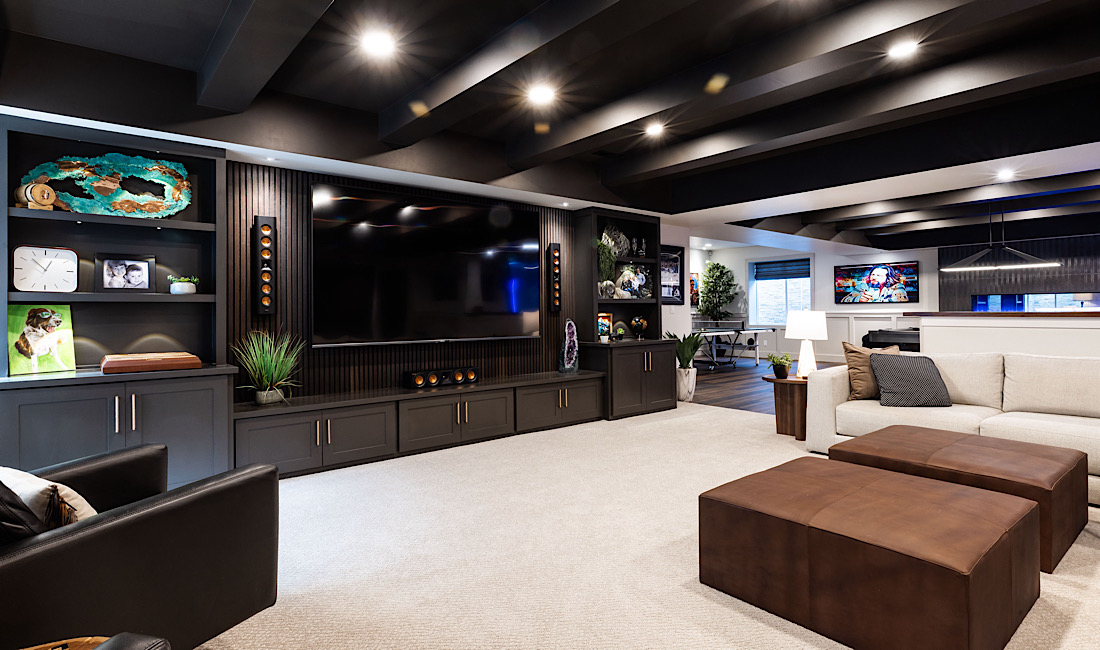


For tech enthusiasts, home is not just where the heart is—it’s where the future lives. Every switch, surface, and system can now be infused with intelligence, making modern living more seamless, efficient, and yes, stylish. Enter the world of smart home design, where function and innovation meet to create living spaces that think, adapt, and elevate daily life.
The Foundation: A Connected Ecosystem
Before diving into gadgets and gizmos, the backbone of a smart home lies in connectivity. A robust network is essential. Think mesh Wi-Fi systems that eliminate dead zones, powerline adapters for reliable speed, and centralized hubs to connect it all.
A unified ecosystem—like those offered by Apple HomeKit, Google Home, or Amazon Alexa—streamlines the user experience. When your devices speak the same language, your smart home design flows effortlessly. Lights dim, curtains close, and thermostats adjust—all with a single voice command or a tap on your smartphone.
Intelligent Lighting That Adjusts to You
Lighting does more than brighten a room—it shapes mood, enhances productivity, and improves well-being. Smart lighting systems like Philips Hue or LIFX allow you to change color temperatures, set schedules, and automate ambient transitions throughout the day.
Want a cool white glow for morning focus? Or a warm amber hue for winding down in the evening? Your lighting should evolve with your lifestyle. Plus, motion sensors and geo-fencing technology can automatically turn lights on when you enter a room and off when you leave—adding energy efficiency to ambiance.
Voice-Activated Everything
Gone are the days of fumbling for switches or remote controls. With voice-activated assistants integrated into your smart home design, your commands become instant actions. From controlling the thermostat to turning on the espresso machine, your voice is the control center.
What makes this more exciting is the rising capability of natural language processing. Systems are becoming more conversational, more intuitive, and better at anticipating your needs.
Integrated Climate Control
Temperature and air quality directly impact your comfort and health. A smart thermostat—like Nest or Ecobee—does more than maintain a preset number. It learns your routines, senses occupancy, and adapts to weather changes in real time.
Combine this with air purifiers and humidity sensors that sync with your smart system, and you’ve got a home that breathes with you. That’s smart home design in its most nurturing form.
Security with Subtle Sophistication
Peace of mind has a new look. Smart security solutions blend into your design seamlessly. Doorbell cameras, motion detectors, smart locks, and window sensors no longer require bulky setups or exposed wires.
These systems can send alerts to your phone, recognize familiar faces, and even trigger emergency responses. With geolocation, your doors can auto-lock when you leave, and lights can mimic your presence while you’re away.
Plus, the integration of biometric authentication—like fingerprint scanners or facial recognition—adds a futuristic yet practical layer of protection.
Kitchen Intelligence
The heart of the home is also getting smarter. Smart home design in the kitchen means appliances that adapt, learn, and streamline tasks. Think refrigerators that inventory your groceries, ovens you can preheat from your phone, or faucets that dispense exact measurements with voice control.
Even coffee makers can now be scheduled through apps or triggered with geofencing so your latte is ready the moment you arrive. Efficiency meets indulgence.
Entertainment, Reimagined
Home entertainment is more immersive than ever. Smart TVs, wireless sound systems, and AR-ready projectors turn living rooms into cinematic experiences. Use voice or mobile apps to switch platforms, queue up playlists, or dim the lights just before the opening credits roll.
In-wall speakers, retractable screens, and motorized mounts help keep aesthetics clean while still delivering tech performance that thrills any enthusiast. True smart home design values elegance as much as electronics.
Energy Efficiency, Elevated
Sustainability is a key pillar of modern design. Smart plugs, solar panel integrations, and energy-monitoring dashboards allow homeowners to track consumption in real-time. You’ll know which devices are drawing phantom power or when you’re using peak-hour electricity—and how to change it.
Smart irrigation systems ensure that gardens get the right amount of water at the right time, while blinds can close automatically during hot afternoons to reduce cooling costs.
These eco-conscious features not only shrink your carbon footprint but also lower utility bills over time.
Future-Proofing with Modular Upgrades
Perhaps one of the most important aspects of smart home design is planning for evolution. Tech changes fast, and your design should be ready to accommodate it. Opt for modular hardware and open-source systems wherever possible. Choose platforms with strong developer support and scalable features.
This ensures your home grows with the tech landscape instead of becoming obsolete with the next software update.
Final Thoughts
Tech isn’t just an accessory in the modern home—it’s a foundational element of intelligent living. When thoughtfully integrated, smart home design can turn your space into an intuitive companion, responding to your habits, enhancing your comfort, and simplifying the mundane.
It’s not about having the most gadgets—it’s about using technology to amplify your lifestyle. And for true tech lovers, that’s the sweet spot where innovation meets home.
More Stories
Dreamy Home Design on Any Budget
Boho Home Design That Feels Fresh
Home Design Ideas to Steal Right Now