

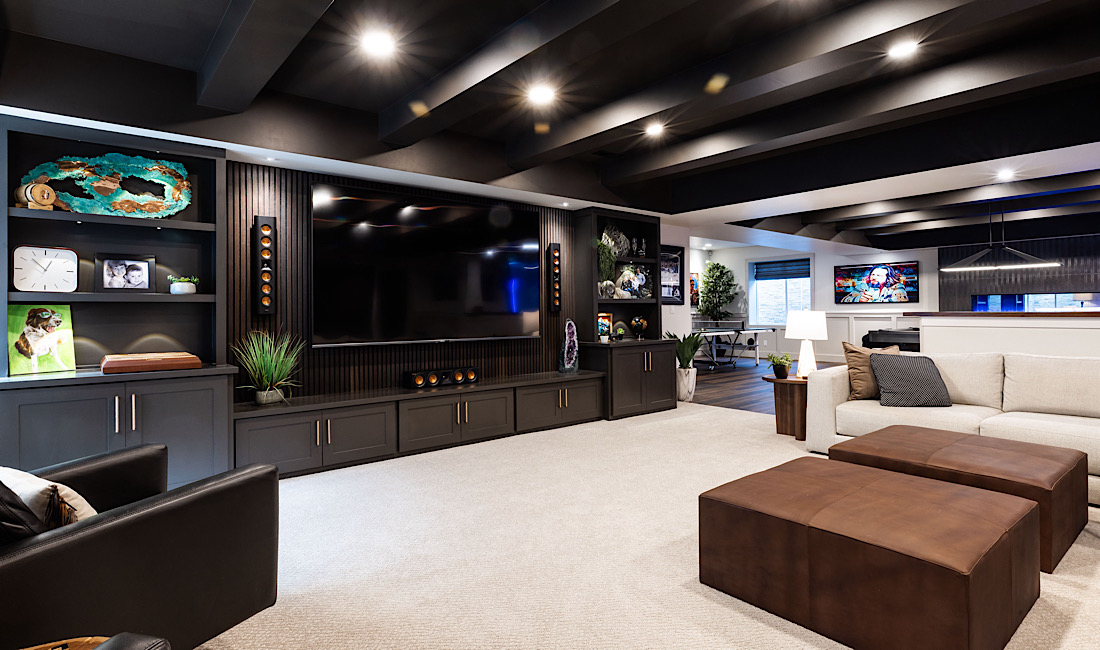


When it comes to maximizing space and minimizing clutter, tiny home design takes center stage. It’s more than just downsizing—it’s an art form that merges creativity, functionality, and bold aesthetic choices into compact but highly livable dwellings. And the result? Big personality packed into small square footage.
The beauty of tiny home design lies in its intentionality. Every inch must earn its keep. But far from feeling restrictive, this constraint actually breeds innovation. With the right approach, a tiny home can rival a sprawling mansion in comfort, style, and even luxury.
Start with Smart Layouts
The layout is the cornerstone of any successful tiny home design. Open concepts work wonders by removing visual barriers and creating a sense of spaciousness. Prioritize flow—movement from kitchen to living area to sleeping quarters should feel seamless.
Built-in features such as convertible sofas, folding tables, and raised beds with hidden storage make a world of difference. Vertical space is gold, so take advantage of walls and high ceilings. Think loft beds, suspended shelving, and hanging plants that draw the eye upward.
Color Your World Wide
Color has a magical ability to stretch a space—or shrink it. In tiny home design, lighter shades like soft whites, pale greys, and creamy neutrals reflect light and give the illusion of airiness. That said, don’t shy away from color entirely.
Strategically placed bursts of bold hues can inject character without overwhelming. Try a navy kitchen backsplash, forest green cabinetry, or even a burnt orange door to infuse personality while keeping the rest of the palette calm and cohesive.
Mirrors, glass surfaces, and reflective materials also amplify light and space. Install a mirrored backsplash in the kitchen, or use glossy finishes on cabinets and tiles for an elegant touch.
Furniture That Flexes
When space is at a premium, multifunctional furniture becomes your best friend. Ottomans that open to reveal storage, Murphy beds that fold away during the day, or coffee tables that extend into dining tables are all stars of the tiny home design world.
Go custom whenever possible. A bespoke bench with drawers, a pull-out pantry, or a slide-out desk can be tailored to your exact needs and space. Opt for pieces on wheels for flexibility—your furniture should move with your life, not lock you into a rigid setup.
Maximize Natural Light
A well-lit space always feels bigger. Large windows, skylights, glass doors—any feature that lets in sunlight can completely transform a small area. In tiny home design, you’ll often find floor-to-ceiling windows that blur the line between indoors and out, expanding the perceived space dramatically.
Keep window treatments light and minimal. Sheer drapes or Roman shades let light flow in without sacrificing privacy. Bonus: abundant natural light supports mental well-being, something no home—big or small—should overlook.
Create Zones, Not Walls
In a tiny home, walls can feel like clutter. Instead, define spaces through design elements. A rug delineates the living area. Pendant lighting hovers above the dining zone. A change in flooring texture separates the kitchen from the rest of the home.
Open shelving works as a visual divider that still allows light to pass through. Even a slim partition of plants or slatted wood adds dimension without cramping the room. These subtle cues maintain openness while organizing your living experience.
Elevate Storage Solutions
Storage is where tiny home design really shines. Every nook and cranny becomes an opportunity. Think toe-kick drawers under kitchen cabinets, wall-mounted spice racks, magnetic knife strips, over-door organizers, and under-stair compartments.
Get creative with vertical space—tall cabinetry, hanging baskets, or even overhead storage above doors. Use vacuum-sealed bags for seasonal clothes and label bins for easy access. It’s not just about hiding stuff; it’s about curating what you own and giving everything a home.
Go Bold with Texture and Pattern
Tiny doesn’t mean bland. Texture adds depth, and patterns introduce interest without taking up space. Try a shiplap accent wall, a herringbone tile backsplash, or a reclaimed wood ceiling for rustic charm.
Textiles—like throws, rugs, and cushions—introduce coziness and style. Choose quality over quantity. One great patterned rug can set the tone for an entire room. A textured wool blanket can become the statement piece of a minimalist bedroom.
Green it Up
Biophilic design is a rising trend in tiny home design, and for good reason. Plants soften hard edges, purify the air, and add life to your environment. Even a few well-placed succulents or trailing vines can elevate the entire vibe.
Wall-mounted planters, windowsill herb gardens, or vertical gardens on exterior walls blend style with sustainability. Nature makes small spaces feel more vibrant and alive.
Embrace Minimalism with Personality
Minimalism doesn’t mean sterile. It means mindful choices. Instead of overcrowding your shelves, display just a few meaningful objects—a vintage camera, a favorite ceramic, or a framed postcard from your travels.
Curate rather than clutter. Let negative space be part of your design language. This approach not only enhances the aesthetic but brings peace of mind, too.
Tiny Living, Grand Lifestyle
At its core, tiny home design is about quality over quantity. It challenges the conventional narrative of what a home should be and instead asks, “What do you need to live well?”
With thoughtful layouts, smart storage, natural light, and personal touches, even the smallest homes can radiate enormous charm. The next time you think “tiny,” remember—it might just be another word for “ingeniously stylish.”
More Stories
Dreamy Home Design on Any Budget
Boho Home Design That Feels Fresh
Home Design Ideas to Steal Right Now