



Color is the heartbeat of a space. It has the power to calm, excite, inspire, or energize. But for far too long, traditional “rules” about color in home design have left people tiptoeing around palettes, afraid to experiment. Today’s most vibrant and memorable interiors are the result of rule-breaking creativity—intentional and fearless use of hues that reflect personality over convention.
Gone are the days when beige was the holy grail of living room walls. It’s time to shake off the limitations and reimagine what home design colors can truly be.
Rule to Break: Dark Colors Make Rooms Feel Smaller
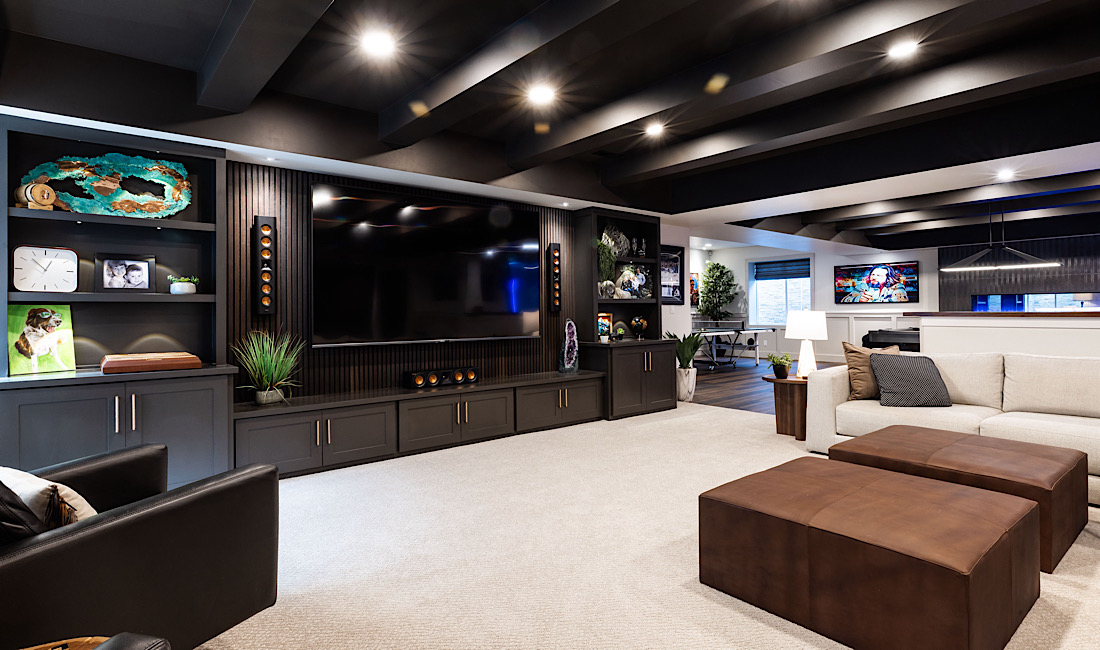
This age-old belief has overstayed its welcome. While it’s true that darker tones absorb light, they also add depth, drama, and richness that can actually make a space feel more luxurious and cocoon-like. A navy or charcoal wall can bring intimacy to a bedroom or transform a bland hallway into a bold, design-forward nook.
The trick is in contrast and lighting. Pair darker walls with lighter furniture, metallic accents, or oversized mirrors to reflect light and balance the mood. Rich home design colors don’t shrink rooms—they give them soul.
Rule to Break: Stick to One Bold Color
Why choose one when you can embrace many? Limiting a space to a single standout hue might feel safe, but multi-color palettes can bring joy, whimsy, and sophistication when done thoughtfully. Think emerald green with dusty rose. Or mustard yellow with deep teal. Even unexpected trios—like terracotta, powder blue, and plum—can work harmoniously when grounded with neutrals.
Layering colors with intention creates energy. It’s not about chaos—it’s about rhythm. Let one tone lead and let the others play supporting roles across textiles, accessories, and accents.
Rule to Break: Ceilings Should Always Be White
Ceilings are often called the “fifth wall,” yet they’re frequently overlooked. The default white may feel safe, but it’s also a missed opportunity. Painting a ceiling in a soft blush, muted sage, or even a rich indigo can transform the atmosphere of a room. It adds unexpected interest and can either draw the eye upward or lower the visual height for a cozier effect.
A colored ceiling paired with complementary home design colors on the walls can add continuity or contrast depending on the desired vibe. It’s a subtle rebellion—but one with high impact.
Rule to Break: Only Neutrals Belong in Kitchens and Bathrooms
Neutrals may reign supreme in utilitarian spaces, but there’s no rulebook that says color can’t live where function does. A vibrant green tile backsplash, a coral vanity, or mustard-hued cabinetry can elevate a kitchen or bathroom into something memorable.
These are spaces you spend time in every day—why not infuse them with color that sparks happiness? Even a small pop, like painted shelving or colored grout, can shift the room’s personality without overwhelming it.
Rule to Break: Match Everything Perfectly
Matching colors too precisely can actually flatten a room’s personality. Coordinated decor may look tidy, but it often lacks character. Instead of striving for exact matches, embrace a curated clash. Let your palette flow with slight variations—tones that are cousins, not twins.
For example, a sofa in olive green pairs beautifully with sage pillows and a hunter green rug. This tonal layering gives depth, while still feeling cohesive. When home design colors vary just enough, they feel organic and inviting, not overly staged.
Rule to Break: Keep Bold Colors Out of Small Spaces
Small rooms are ideal places to go bold. Powder rooms, entryways, and reading nooks are the perfect canvases for daring color choices. Why not wrap an entire room in a saturated maroon or peacock blue? These “jewel box” spaces become little visual surprises within a home.
A small space doesn’t need to feel larger—it needs to feel intentional. Bold colors create instant atmosphere. Accent them with art, lighting, or patterned tile to complete the transformation.
Rule to Break: Follow Color Theory Rigidly
Color theory has its merits, but it’s a guide—not gospel. If you love how two shades look together, trust your instincts. An unconventional combo that wouldn’t pass a color wheel test might be exactly what your space needs.
Design is personal. Some of the most breathtaking rooms come from mixing warm and cool tones, pairing brights with earth tones, or combining pastels with deep moody hues. Break free from color harmony “rules” and make choices based on feeling, mood, and expression.
Rule to Break: Gray is Always the Best Neutral
For a while, gray was the darling of modern design. It’s timeless, cool, and safe—but not always the most exciting. Today’s neutrals are expanding, with earthy beiges, blush tones, muted greens, and even soft blues taking the stage.
These modern neutrals offer warmth and a sense of freshness. They pair beautifully with bolder tones and add a subtle richness to interiors. Don’t be afraid to explore new neutrals when rethinking your home design colors.
Color Without Apology
There is no “one size fits all” when it comes to interior palettes. What matters most is how color makes a space feel—to you. Design is as much about emotion as it is about aesthetics. So toss the rulebook, trust your intuition, and paint your world in hues that speak to who you are.
After all, the boldest color choice isn’t just about paint. It’s about confidence.
More Stories
Dreamy Home Design on Any Budget
Boho Home Design That Feels Fresh
Home Design Ideas to Steal Right Now