

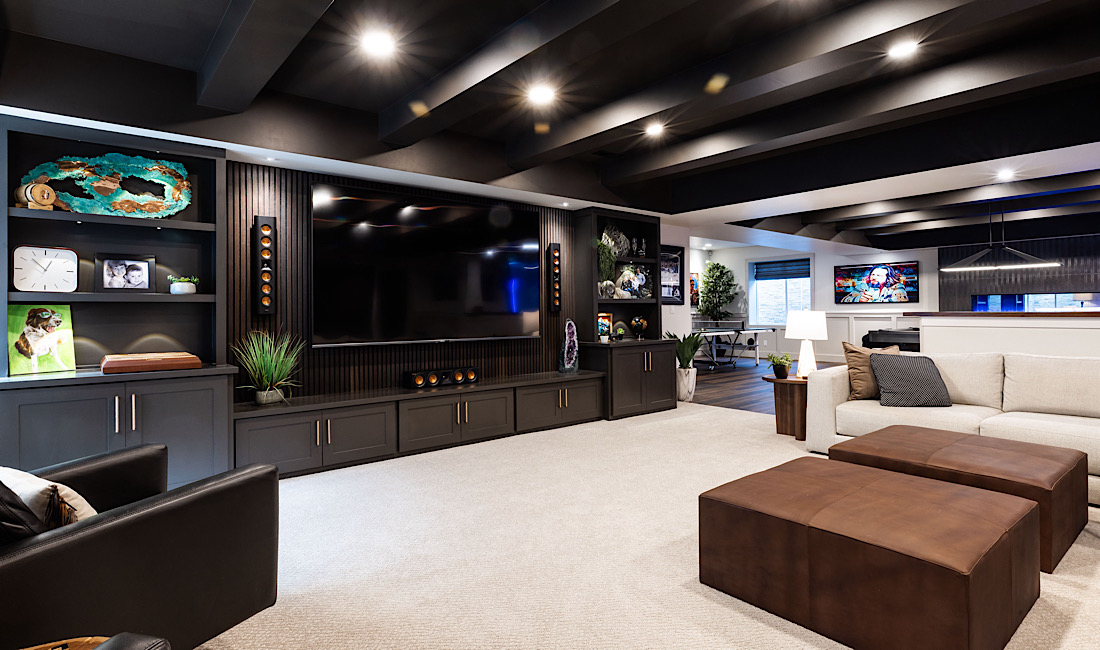


Designing a space that feels curated rather than chaotic can be an art form. Especially when combining varied aesthetics, eras, or textures, striking the right balance is key. Mixed style decorations offer a dynamic approach to interior styling—fusing contrasting influences to create spaces that are richly layered, highly personal, and visually compelling.
The art of mixing and matching isn’t about randomness; it’s about intentionality. It requires a discerning eye, a cohesive palette, and a touch of daring.
Establishing a Visual Anchor
Before blending styles, start with a foundation. Anchor your space with a dominant style—be it mid-century modern, bohemian, industrial, or traditional. This provides structure and prevents visual overload. For instance, a modern Scandinavian sofa can serve as a grounding element, allowing you to experiment around it.
When working with mixed style decorations, anchoring doesn’t mean restricting. It simply gives the eye a place to rest amid visual diversity. A dominant style ensures your design reads as intentional rather than improvised.
Creating Cohesion Through Color
Color is the universal equalizer. Even if your decor pulls from different eras or cultures, a well-edited color palette can unify the whole room. Choose two or three core hues and use them consistently across furniture, textiles, and accessories.
For example, navy, ochre, and cream can link a vintage Persian rug to a contemporary velvet chair. Similarly, warm neutrals like camel, ivory, and charcoal can seamlessly bridge rustic wood accents with sleek metallic lighting.
In the world of mixed style decorations, color coherence is the invisible thread that ties disparate pieces together.
Balance Is the Secret Ingredient
A room full of conflicting elements can quickly descend into disorder. Avoid overwhelming the space by playing with proportion, scale, and symmetry.
If you have a bold, ornate item—say, a rococo mirror—balance it with streamlined pieces like a minimalist bench or a clean-lined floor lamp. Similarly, a heavily textured kilim cushion pairs beautifully with smooth leather upholstery.
Keep your eye on negative space. Don’t feel pressured to fill every corner. Allow room for each piece to breathe, making your mixed elements feel deliberate rather than cluttered.
Contrast That Works
Contrast can be your most powerful ally. In fact, many of the most memorable interiors feature strong juxtapositions. A concrete coffee table beneath a crystal chandelier. A Victorian armchair upholstered in a graphic modern fabric. Worn reclaimed wood floors next to high-gloss lacquered cabinets.
These design tensions inject energy into your space. Mixed style decorations thrive on such counterpoints—they surprise, intrigue, and invite deeper exploration.
Textural Storytelling
When fusing styles, texture becomes a silent narrator. Mix coarse and smooth, matte and glossy, soft and structured. Think velvet cushions on a rattan chair, linen drapes next to a mirrored console, or rough-hewn pottery beside polished brass candlesticks.
Textural layering doesn’t just create visual richness—it evokes emotion. It adds a tactile dimension that makes spaces feel lived-in and soulful.
Remember, in the lexicon of mixed style decorations, texture speaks louder than pattern or form.
Old Meets New
Vintage and modern pieces can coexist harmoniously when curated with care. An antique writing desk paired with a sculptural acrylic chair makes for a dramatic and functional vignette. Likewise, an ultra-modern pendant light hanging above a rustic farmhouse table creates a captivating focal point.
This approach not only celebrates design evolution but also adds timelessness to your decor. By letting different eras converse within your space, mixed style decorations become a testament to your unique design voice.
Curated Collections, Not Clutter
Collecting is central to mixing styles, but be discerning. Choose objects that resonate with you, not just items that fill shelves. Display collections in curated groupings—odd numbers tend to be more visually appealing—and vary heights, shapes, and materials.
Try a cluster of ceramic vessels from different continents, unified by color. Or group framed art from various decades along a gallery wall, tied together by frame style or theme.
Curation turns chaos into cohesion. It’s the difference between hoarding and storytelling.
Patterns with Purpose
Combining patterns across styles can be daunting, but with the right eye, it can elevate a space. The key is scale. Mix large-scale patterns with small-scale ones, and vary geometry with organics.
A striped rug beneath a floral couch works when they share a color tone. Tribal patterns and paisley prints can harmonize through neutral backdrops. Chevron and toile can coexist if balanced with solids in between.
Pattern play adds rhythm and depth—an essential flourish in well-executed mixed style decorations.
Let Personal Expression Lead
Design should always reflect the dweller. Mixed style interiors shine brightest when they’re layered with personality—books, travel souvenirs, art, heirlooms, even quirky pieces that defy categorization.
These elements bring soul to your space. They dissolve rigid design rules and replace them with authenticity. Your home becomes not just styled but storied.
Final Thoughts
Embracing mixed style decorations isn’t about following a trend—it’s about creating a space that mirrors your complexity and creativity. Through careful contrast, cohesive color, tactile layering, and thoughtful curation, you can blend aesthetics into a harmonious whole. The result is an interior that feels collected over time, rich with character and unmistakably yours.
More Stories
Timeless Home Decorations That Never Fail
Colorful Home Decorations for Bold Style
Simple Home Decorations for Cozy Vibes