

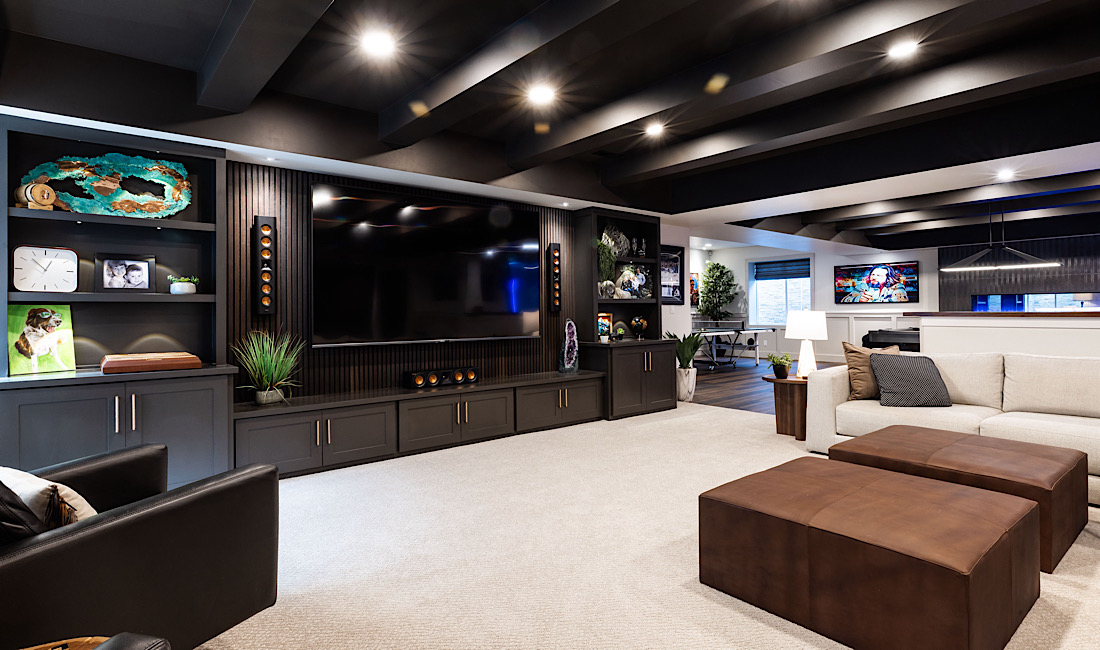


In homes where square footage is at a premium, thoughtful design becomes essential. A well-appointed space isn’t always expansive—sometimes it’s just exceptionally well-utilized. The art of maximizing interiors lies in strategic styling, where aesthetics and utility converge seamlessly. Space saving decorations transform compact rooms into functional, stylish sanctuaries without sacrificing comfort or character.
Design That Does Double Duty
The foundation of smart space maximization begins with dual-purpose pieces. Every item should earn its place by serving more than one role. An upholstered bench at the foot of the bed? It’s a seat, a storage chest, and a design statement. A coffee table with nested stools? That’s both entertainment and seating—discreetly elegant, instantly versatile.
Ottomans that open, side tables with hidden compartments, and beds with built-in drawers are prime examples of space saving decorations that elevate efficiency. These objects offer storage without visual bulk, keeping clutter at bay while adding texture and warmth to a room.
Vertical Space: The Forgotten Canvas
Walls are too often underused in home design. Vertical space offers immense decorative and practical potential. Wall-mounted shelving not only displays your curated pieces but also keeps floors clear—an essential in tight quarters. Floating bookshelves, ladder shelves, and corner-mounted racks allow for upward expansion without infringing on precious floor real estate.
Hooks and pegboards can be both utilitarian and visually interesting. Use them in kitchens for hanging utensils, in entryways for keys and hats, or in bedrooms for jewelry and accessories. Choose finishes that complement your interior—matte black for a modern look, brushed brass for timeless elegance.
When designed with intention, these vertical space saving decorations become architectural elements, adding rhythm and dimension to walls.
Mirror Magic
Mirrors are among the most effective tools for manipulating spatial perception. They reflect light, expand sight lines, and give the illusion of depth. A full-length mirror propped against a wall, a mirrored backsplash in a narrow kitchen, or even mirrored furniture can make confined areas feel larger and more luminous.
Decorative mirrors also double as art. Select frames that echo your room’s motif—vintage gilded for classic interiors, clean-lined wood for Scandinavian styles. Incorporating mirrors as space saving decorations adds both function and finesse, making rooms feel open without knocking down a single wall.
Compact and Collapsible Solutions
Folding furniture and stackable décor have become essential in modern interior design. Folding desks that tuck away, drop-leaf dining tables, and wall-mounted ironing boards exemplify compact living without compromise. These pieces allow rooms to transition effortlessly between uses—a home office during the day, a dining room by night.
Stackable chairs, nesting tables, and collapsible storage bins allow for flexibility and mobility. When not in use, they vanish into closets or beneath other furniture, preserving the open flow of the room.
These dynamic space saving decorations offer agility—perfect for urban dwellers, micro-apartments, and multipurpose rooms.
Smart Storage in Unexpected Places
A key tenet of clever décor is discovering hidden storage opportunities. Under-bed boxes, over-door organizers, and storage headboards are just the beginning. Stair risers can be turned into drawers; a window seat can become a trunk; even a hollow ottoman can stash blankets or games.
Wall-mounted baskets and under-sink organizers add structure to otherwise forgotten nooks. In the kitchen, magnetic spice racks and knife strips free up drawer and counter space. In the bathroom, tiered trays and mirrored cabinets combine beauty with efficiency.
These covert space saving decorations allow the home to breathe—order behind the scenes, elegance on display.
Light and Color Considerations
Though not physical objects, light and color dramatically influence perceived space. Pale hues—soft whites, icy blues, light greys—recede visually, making walls feel further away. Glossy finishes and light-reflective materials amplify brightness, giving interiors a breezier, airier ambiance.
Strategic lighting—wall sconces instead of floor lamps, pendant lights instead of table lamps—frees up surfaces while maintaining ambiance. Layered lighting, with ceiling, task, and accent sources, allows for mood flexibility without taking up unnecessary space.
These choices, while subtle, are among the most vital space saving decorations in any designer’s toolkit.
Curated Minimalism
Maximizing space isn’t about stripping a room bare—it’s about curating intentionally. Choose fewer pieces, but make them count. One large artwork over a sofa instead of a gallery wall. A single, sculptural vase on a mantle instead of a cluster of small trinkets.
Furniture with clean lines and low profiles preserves visual openness. Glass or acrylic pieces almost disappear, maintaining the feeling of space while still serving function. Open leg bases on chairs and sofas give the illusion of airiness by allowing light to pass through.
Here, space saving decorations are about restraint, allowing every item to speak clearly and purposefully.
Multi-Zone Functionality
Open floor plans and shared-use areas benefit from clear, clever zoning. Rugs can delineate living from dining. A freestanding bookcase or folding screen can separate an office nook from a bedroom. Using decorations to create structure eliminates the need for permanent walls and allows for adaptive, changing layouts.
This modular approach to design ensures that the home evolves with the people in it—fluid, flexible, and always optimized.
Smarter living doesn’t require more space—it requires better strategy. By embracing space saving decorations, it’s possible to create homes that feel larger, function better, and look effortlessly stylish. The union of beauty and practicality is the cornerstone of modern design, proving that less space can still mean more impact.
More Stories
Timeless Home Decorations That Never Fail
Colorful Home Decorations for Bold Style
Simple Home Decorations for Cozy Vibes