

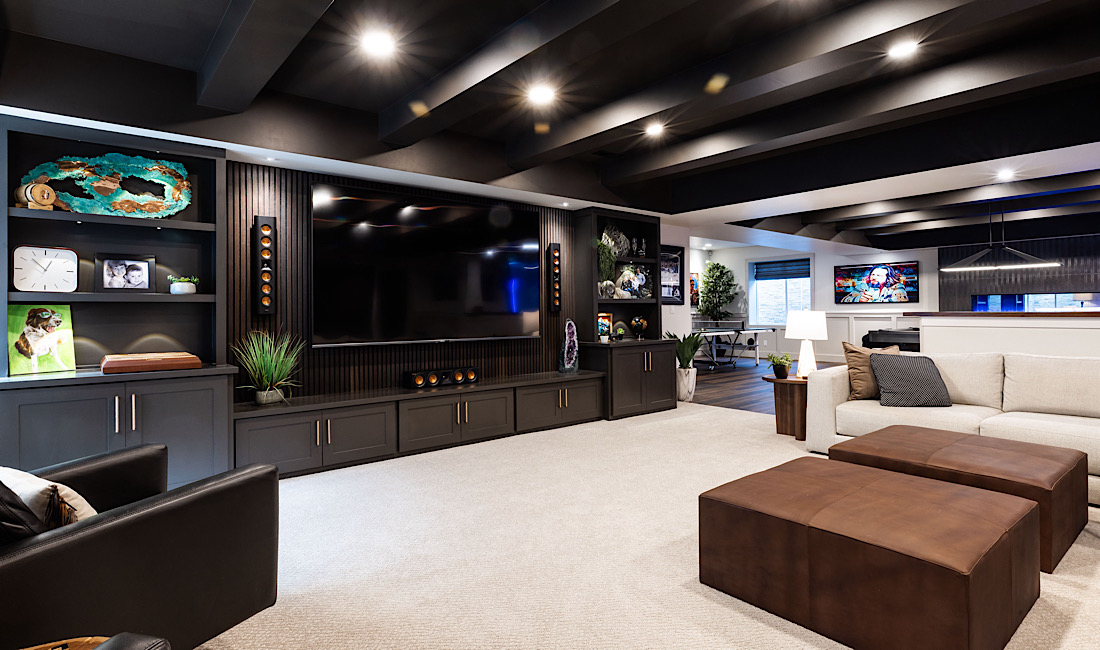


Home renovation projects carry the promise of transforming living spaces into dream environments, but they also come with a minefield of potential pitfalls. To ensure a smooth process and a satisfying outcome, it is crucial to avoid renovation mistakes that could derail your vision, inflate your budget, or prolong timelines. Recognizing and steering clear of these common errors can save considerable stress, money, and disappointment.
Insufficient Planning and Budgeting
One of the cardinal sins in renovation is embarking on the journey without a comprehensive plan. Sketching out your ideas in broad strokes and setting a vague budget rarely suffices. Without detailed planning, hidden costs and unforeseen complications almost invariably arise.
To avoid renovation mistakes, allocate ample time to research and draft a clear, realistic plan. Define the scope meticulously, including materials, labor, and contingency funds. A well-considered budget should include a cushion—typically 10-20% extra—to account for surprises such as structural repairs or regulatory fees.
Failing to plan thoroughly often leads to rushed decisions, costly changes mid-project, and ultimately, dissatisfaction with the end result.
Overlooking Permits and Regulations
Navigating local building codes and permit requirements can be daunting, yet overlooking these bureaucratic essentials is a common yet serious error. Unpermitted work can result in hefty fines, forced undoing of completed work, and difficulty selling the property in the future.
To avoid renovation mistakes, consult with local authorities or hire professionals who understand the legal landscape. Secure all necessary permits before commencing work, and ensure inspections occur at mandated stages. This approach safeguards your investment and promotes compliance with safety and quality standards.
Underestimating Timeframes
Renovations frequently extend beyond initial timelines due to unforeseen obstacles, material delays, or scheduling conflicts. Underestimating the time needed creates pressure, compromises quality, and strains relationships with contractors.
Realistic scheduling is key to avoid renovation mistakes related to timing. Communicate openly with your contractors to establish a feasible timeline. Build in buffer periods to accommodate contingencies. Remember, patience during the process yields superior results and minimizes frustration.
Choosing Inappropriate Materials
Selecting the wrong materials can severely impact durability, aesthetics, and functionality. Opting for low-cost or trendy finishes without considering their suitability often leads to premature wear, costly replacements, or a mismatched design.
To avoid renovation mistakes, research the properties and longevity of materials relative to their intended use. For instance, moisture-resistant cabinetry is essential in bathrooms, while durable flooring should be prioritized in high-traffic areas. Consulting design experts or experienced contractors can guide you towards choices that balance beauty with practicality.
Ignoring Structural and Mechanical Issues
Focusing solely on cosmetic improvements while neglecting underlying structural or mechanical problems is a hazardous oversight. Hidden issues like faulty wiring, plumbing leaks, or compromised foundations can escalate during renovation, endangering safety and inflating costs.
A thorough inspection prior to renovations helps to avoid renovation mistakes by uncovering latent defects. Address these foundational concerns upfront. Investing in repairs now prevents more severe damage and ensures your renovations rest on a solid framework.
Overcustomization and Overcapitalization
While personalizing your space is natural, extreme customization tailored solely to your tastes or lifestyle can alienate future buyers, decreasing resale value. Overcapitalization—spending beyond the neighborhood or market norms—diminishes return on investment.
To avoid renovation mistakes related to overcustomization, focus on timeless, versatile designs that appeal broadly. Balance personal touches with neutral elements. Understanding local real estate trends can prevent excessive spending that won’t translate into increased value.
Poor Contractor Selection and Communication
Entrusting your renovation to inexperienced or unreliable contractors can lead to subpar workmanship, delays, and disputes. Equally problematic is a lack of clear communication, which breeds misunderstandings and errors.
Vet contractors meticulously by checking references, portfolios, and certifications. Establish a written contract outlining scope, deadlines, payment schedules, and warranties. Regular communication through progress meetings or updates helps to avoid renovation mistakes by ensuring alignment and swift resolution of issues.
Neglecting Lighting and Ventilation
Renovations often prioritize physical structure and décor, overlooking lighting and ventilation. Poor lighting can make even the most elegant spaces feel cramped and gloomy, while inadequate ventilation fosters mold and indoor air quality problems.
Design lighting schemes that layer ambient, task, and accent lights to highlight features and create mood. Incorporate natural ventilation strategies, such as operable windows and exhaust fans, especially in kitchens and bathrooms. Attending to these details helps you avoid renovation mistakes that compromise comfort and health.
Disregarding Future Needs
Failing to consider evolving lifestyle requirements or potential future uses can render a renovation obsolete prematurely. As families grow or needs change, spaces must adapt.
To avoid renovation mistakes, design with flexibility in mind. Incorporate multipurpose rooms, modular furniture, or scalable storage solutions. Anticipating future modifications reduces the need for frequent, costly renovations down the line.
Skimping on Quality in Pursuit of Savings
While budget-consciousness is essential, excessive cost-cutting often backfires. Choosing inferior materials or unskilled labor to save money frequently results in inferior finishes, recurring repairs, and diminished enjoyment.
A balanced approach to expenditure helps avoid renovation mistakes tied to quality. Invest in critical elements that affect longevity and safety, and seek value by comparing suppliers or negotiating costs rather than compromising standards.
More Stories
Creative Lighting Ideas for Rooms
Add Style with Minimal Effort
Secrets to a Stunning Bathroom Remodel